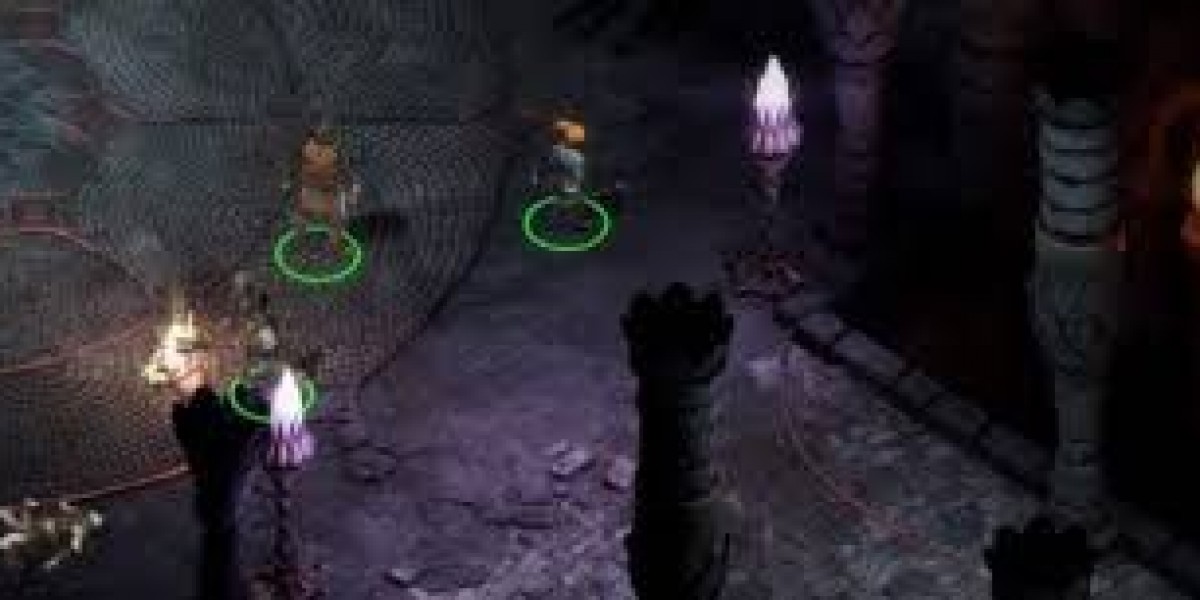

Beneath POE 1 Currencys relentless grind and complex systems lies a world of surprisingly rich and dark lore. Wraeclast is not a generic fantasy setting but a brutal, haunted continent with a history steeped in tragedy, ambition, and catastrophic folly. The story unfolds not through lengthy cinematics, but through environmental details, item flavor text, and the whispers of ghosts encountered in dusty ruins. This method of storytelling creates a pervasive atmosphere of decay and forgotten horror, where every crumbling temple and desolate coast has a tale to tell, rewarding the curious exile with glimpses into a deeply grim past.
The narrative begins with your character, an exile cast ashore on this cursed continent. As you fight inland, you uncover layers of history: the ancient Vaal civilization that achieved god-like power through blood and sacrifice before vanishing in an instant; the Karui tribes' fierce resistance and subsequent enslavement; the eternal conflict between the Templar order and the heretics of Oriath; and the cataclysmic fall of the Eternal Empire, whose obsession with the mystical Virtue Gems led to its ruin. Key figures like the Godless Three—Malachai, Doedre, and Shavronne—emerge as architects of atrocities, their legacies littering the landscape with monstrous consequences. You are not a hero saving the world, but a survivor navigating the graveyard of countless failed empires.
This lore is masterfully integrated into gameplay. Major boss fights are not random monsters but culminations of these historical threads. Dominus, the tyrannical high templar; Malachai, the heart of corruption deep in the Sceptre of God; Kitava, the Karui god of insatiable hunger—each is a manifestation of Wraeclast's sins. League mechanics often expand this history. The Fall of Oriath expansion completed the core story, while leagues like Betrayal delved into the criminal underworld, and Heist introduced a gallery of rogues with their own murky pasts. Even crafting items like **vaal** orbs carry lore, being fragments of the lost Vaal civilization whose use comes with great risk, mirroring that society's own fatal overreach.
Ultimately, the lore of PoE1 reinforces its core themes of consequence and corruption. Power in Wraeclast always has a source, and that source is often bloody, unethical, or outright apocalyptic. The **vaal** orb's potential to corrupt an item perfectly symbolizes this: great power can be gained, but at the risk of destroying what you have. By weaving its narrative into item descriptions, zone aesthetics, and boss encounters, Grinding Gear Games creates a world that feels authentically old and tragically self-destructive. It provides a compelling reason to explore beyond the loot, offering a dark, cohesive fantasy that elevates the gameplay from mindless slaughter to a journey through a beautifully realized nightmare.