Prams and Pushchairs for Newborns: A Comprehensive Guide
Choosing the right transportation equipment for a newborn can be an overwhelming task for new parents. With a wide variety of choices readily available, from prams to pushchairs, it's necessary to understand the differences, features, and safety elements of each. This guide intends to clarify these options, assisting moms and dads make informed choices for their children.
Understanding Prams and Pushchairs
Meanings
Prams: Also understood as "perambulators," prams are created for infants, using a flat, comfy surface where the baby can rest. They generally have a durable frame and are highly cushioned for the baby's comfort. Prams are better for newborns and really young infants.
Pushchairs: Often referred to as strollers in some areas, pushchairs are created for somewhat older babies who can stay up individually. They generally include a seat that can be reclined and often have a folding mechanism for simple storage and transport.
| Feature | Pram | Pushchair |
|---|---|---|
| Age Range | Newborn to 6 months | 6 months to toddler |
| Style | Flat surface for lying down | Sitting position, recline |
| Weight | Heavier due to toughness | Generally lighter and foldable |
| Portability | Less portable | Generally more portable |
Key Features to Consider
When selecting a pram or pushchair for a newborn, think about the following functions:
- Safety: Look for models with a 5-point harness, durable building and construction, and stability to avoid tipping.
- Comfort: Adequate padding and assistance for the baby's back and neck are crucial.
- Weight: Lighter designs are easier to maneuver however guarantee they do not jeopardize on security.
- Mobility: Foldable options are perfect for travel and storage.
- Canopy: A good canopy will provide sunshade and security from the aspects.
- Adjustable manages: This is especially useful for parents of different heights.
Kinds of Prams and Pushchairs
There are several types of prams and pushchairs readily available, each with specific functions suited for various requirements.
Pram Types
| Type | Description | Advised Age |
|---|---|---|
| Traditional Pram | Standard style, typically made from high-quality products. | Newborn to 6 months |
| Travel System | Consists of a safety seat that can be attached to the stroller. | Newborn to toddler |
| Compact Pram | Lightweight and quickly foldable, excellent for metropolitan living. | Newborn to 6 months |
Pushchair Types
| Type | Description | Suggested Age |
|---|---|---|
| Umbrella Pushchair | Light-weight and foldable, perfect for travel. | 6 months to young child |
| All-Terrain Pushchair | Stronger design appropriate for various surfaces. | 6 months to toddler |
| Jogging Pushchair | Created for parents who delight in running or running. | 6 months to young child |
Convenience and Safety Features
- Safety belt: Always ensure the pram or pushchair consists of a 5-point harness system to keep the baby safely in place.
- Brakes: Lockable wheels and a foot-operated brake system are vital for safety.
- Suspension System: A good suspension system offers a smoother trip, which is necessary for a newborn's convenience.
- Breathable Fabrics: Opt for breathable and easy-to-clean fabrics to keep health and convenience.
FAQs About Prams and Pushchairs
Q1: At what age can I begin utilizing a pushchair?
A1: Most pushchairs can be utilized from around 6 months of age when the baby can sit up separately. Nevertheless, consult your item handbook for specific age and weight suggestions.
Q2: Can I use a pram for a newborn?
A2: Yes, prams are specifically developed to accommodate newborns and babies who require a flat lying position for safe transport.
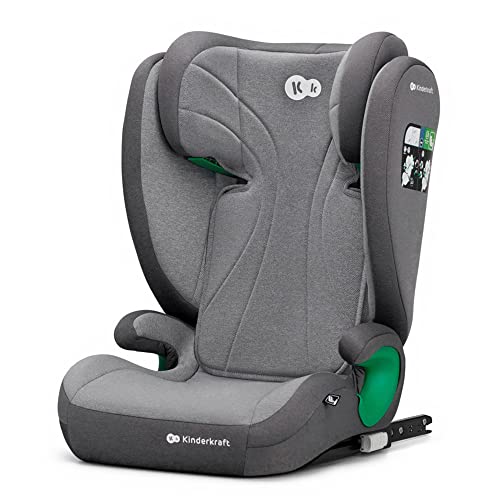
Q3: What are travel systems, and are they worth it?
A3: Travel systems combine a safety seat and a pushchair, permitting easy shift in between car and stroller. They can be worth it for parents who regularly travel by car.
Q4: How do I select in between a pram and a pushchair?
A4: Evaluate your way of life requires. If you mostly need something for a newborn, choose a pram. For a more versatile alternative that grows with your kid, consider a pushchair.
Q5: Are there particular security policies for prams and pushchairs?
A5: Yes, many countries have security requirements (like EN 1888 in Europe) that prams and pushchairs must meet. Constantly look for compliance with regional regulations.
Choosing the ideal pram or pushchair for a newborn is an essential decision that affects both security and comfort. By comprehending the differences between prams and pushchairs, their features, and security requirements, parents can make informed options tailored to their way of life. Whether going with a classic pram or a modern travel system, the ultimate objective stays the very same: ensuring a safe, comfortable, and satisfying outing for both baby and moms and dad.
By thinking about the requirements of both the child and the parent, families can with confidence start their journeys together, producing cherished memories every action of the method.