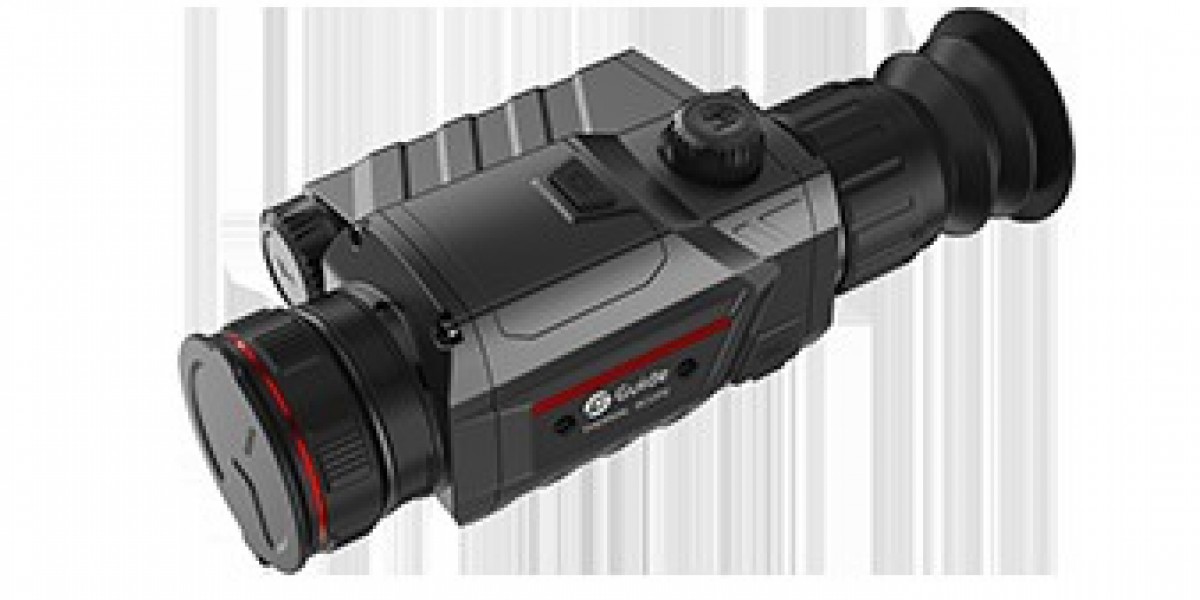

Thermal imaging technology has completely transformed the modern hunting experience by allowing shooters to maintain total awareness regardless of ambient light levels. Many hunters today are exploring cheap thermal scopes with good resolution to gain a competitive edge while maintaining a budget-conscious gear setup. By converting infrared heat signatures into a clear visual map, these devices enable you to navigate darkness, fog, and dense cover with unprecedented confidence. This shift toward heat-based detection ensures that wildlife, which might remain hidden from standard light-amplification night vision, is easily revealed.
The Core Principles of Infrared Sensing
At the fundamental level, thermal scopes work by measuring the infrared energy emitted by all objects. Every living creature produces a thermal footprint that the internal microbolometer sensor captures and processes into a high-contrast display. Because this system is entirely independent of visible light, it remains equally effective at high noon or in the pitch black of night. This reliability is what sets thermal optics apart from traditional glass, as it allows you to see through camouflage that would otherwise render an animal invisible to the naked eye.
Selecting the Right Equipment for Your Needs
Identifying the best thermal scope for hunting requires a strategic look at how your specific hunting environment dictates your gear requirements. Hunters who primarily operate in dense forests or brush benefit from a wider field of view, which allows for faster scanning of tight corridors. In contrast, those who focus on open, sprawling fields should prioritize higher base magnification and a greater detection range. Matching the device to your terrain ensures that you maintain the visual clarity necessary to verify your target before taking a shot.
Comparing Value and Performance
To navigate the broad range of available options, using a thermal scopes price comparison guide is a vital step for any serious outdoorsman. By evaluating the relationship between price and technical specifications like NETD ratings—which measure a sensor’s ability to differentiate subtle temperature changes—you can focus your spending on the features that provide real-world advantages. Modern advancements mean that many mid-range optics now deliver professional-grade image processing, making this an ideal time to upgrade your optical platform.
Essential Technical Specifications
Success in the field often boils down to how well your scope handles data. Sensor resolution is perhaps the most cited metric, as it determines the amount of detail present in the image. A higher resolution sensor allows you to identify finer animal contours at greater distances, which is critical for safety and ethical hunting. Equally important is the pixel pitch—the physical distance between pixels—where smaller values generally translate to a sharper, more defined image that helps you distinguish a target from a backdrop of heated rocks or foliage.
Thermal Sensitivity and Contrast
Thermal sensitivity, measured in millikelvins (mK), represents how sensitive your scope is to tiny temperature variations. In challenging conditions like high humidity or light rain, a low NETD rating is the difference between a blurry, washed-out image and a crisp display where the animal stands out clearly. A high-quality sensor paired with low thermal sensitivity ensures that you retain maximum contrast throughout the night, regardless of the weather conditions you encounter in the wild.
Field of View and Magnification
Effective hunting requires a balance between magnification and the field of view. A wider field of view allows you to survey large areas quickly, which is perfect for locating moving game. When you need to take a precise shot, you can utilize digital zoom to inspect the target more closely. It is generally recommended to rely on a modest base optical magnification for your primary scanning, as this provides the most natural viewing experience and preserves the best image quality.
Conclusion
The adoption of thermal technology is a major leap forward for wildlife observation and hunting efficiency. By focusing on essential metrics like sensor quality, thermal sensitivity, and environmental durability, you can equip yourself with a tool that works as hard as you do. As technology continues to evolve, the ability to clearly identify targets in total darkness has become more accessible than ever, allowing you to focus on the skill of the hunt rather than the limitations of the night. Choosing the right optic is an investment in your long-term success and situational awareness.
Frequently Asked Questions
What is the main benefit of using a thermal scope for hunting?
A thermal scope detects heat signatures, allowing you to see through darkness, fog, and light brush where traditional night vision or standard glass would be ineffective.
How does sensor resolution impact my ability to see targets?
Higher sensor resolution provides a greater number of pixels to form an image, resulting in sharper detail and better identification of animals at longer ranges.
What is the difference between optical and digital zoom?
Optical zoom uses the lens glass to enlarge the image without losing quality, while digital zoom uses software to enlarge the pixels, which can reduce sharpness at high magnification levels.
How do I choose the right magnification for my environment?
For dense woods, choose lower base magnification for a wider field of view; for open plains and long-range shooting, choose higher base magnification for better detail.
Does temperature affect the performance of my thermal scope?
Yes, thermal sensors rely on temperature contrast; extreme heat or cold can sometimes reduce contrast, though modern high-sensitivity sensors are designed to mitigate these issues.
What should I check before purchasing my first thermal unit?
Focus on the sensor resolution, thermal sensitivity (NETD), battery system for extended use, and overall build durability to ensure it can withstand your specific hunting conditions.