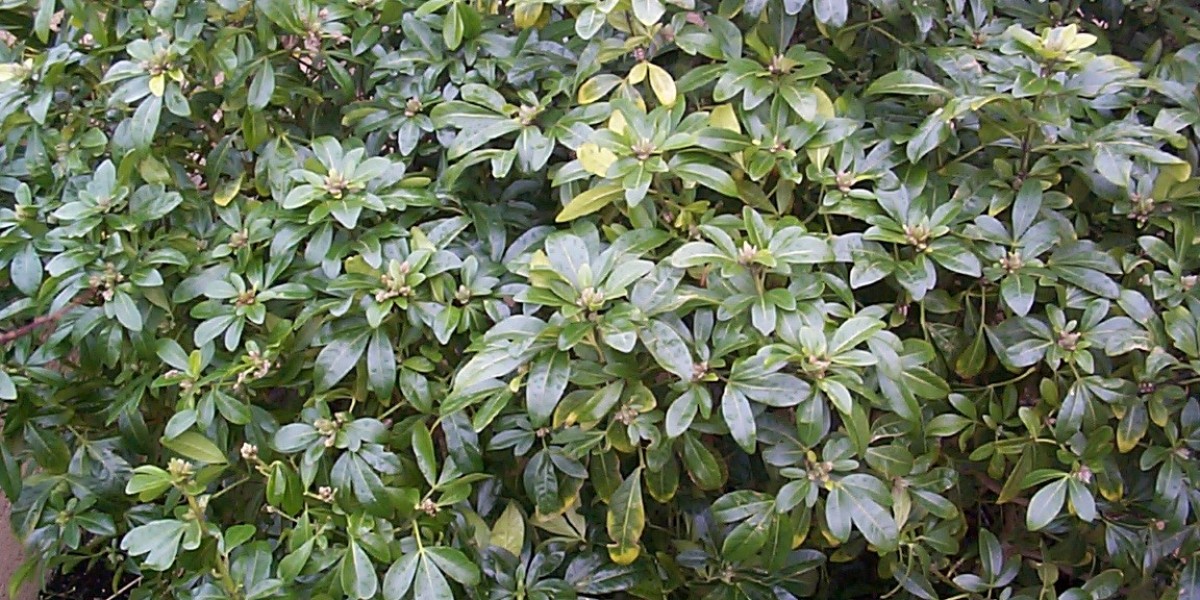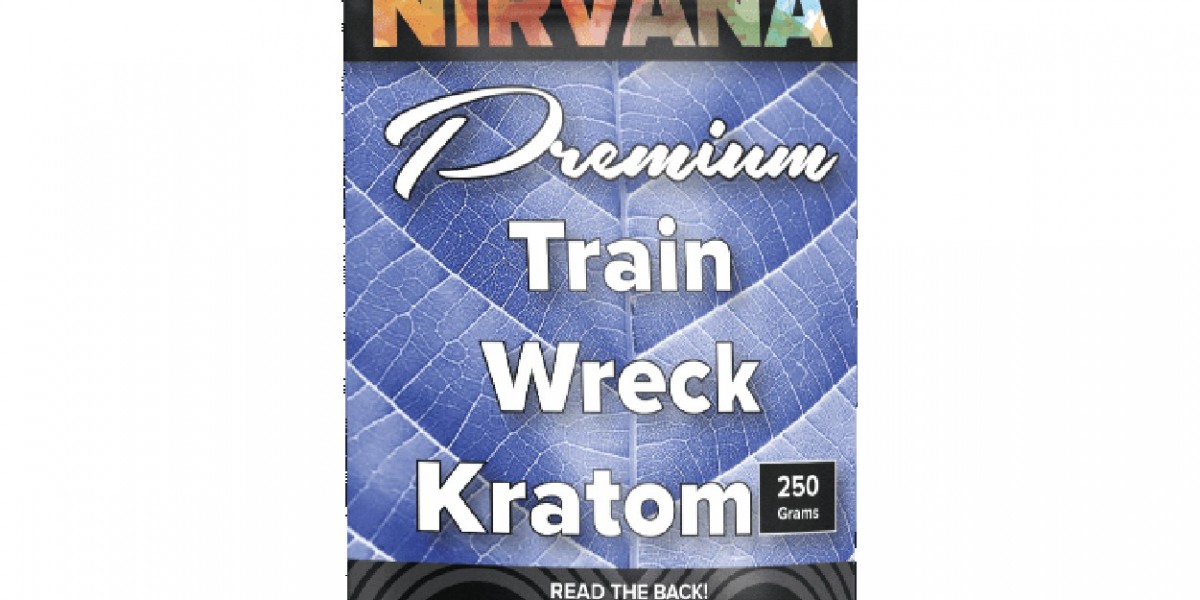

Green Malay Kratom has become one of the most discussed botanical varieties among enthusiasts seeking a balanced experience from Mitragyna speciosa. Originating from regions associated with Malaysia, this distinctive leaf variety is appreciated for its well-rounded alkaloid composition and enduring characteristics. Unlike strains recognized primarily for stimulation or relaxation, Green Malay Kratom is frequently described as offering equilibrium between clarity and comfort. When compared with White Maeng Da Kratom, many consumers notice meaningful differences in botanical profile, duration, and overall experience. Understanding these distinctions allows individuals to make informed choices based on personal preferences, intended applications, and responsible consumption practices.
What Makes Green Malay Kratom Unique?
Among the numerous kratom varieties available today, Green Malay Kratom is admired for its naturally balanced alkaloid spectrum. Rather than emphasizing a single characteristic, this botanical is often associated with consistency, making it appealing to both experienced enthusiasts and individuals exploring green-vein selections.
Its reputation stems from cultivation practices, regional growing conditions, and careful harvesting methods. Soil composition, rainfall, humidity, and seasonal variations contribute to the leaf's overall phytochemical makeup, producing subtle distinctions from other green-vein cultivars.
Unlike heavily energizing options, White Maeng Da Kratom generally attracts individuals looking for pronounced alertness and motivational support. In contrast, Green Malay Kratom is frequently selected for a steadier botanical experience that many describe as smooth and enduring.
Traditional Origins
Historical cultivation traces this variety to tropical Malaysian landscapes where kratom trees flourish naturally. Indigenous communities have valued these leaves for generations, incorporating them into local customs and traditional practices. Modern cultivation techniques preserve many of these agricultural traditions while introducing improved harvesting and drying methods that maintain botanical integrity.
Botanical Characteristics
Every kratom variety develops unique characteristics according to genetics and environmental conditions. Green Malay Kratom typically features mature leaves displaying rich green coloration before processing. Specialized drying procedures help preserve the leaf's naturally occurring alkaloids.
Important botanical attributes include:
- Dense foliage with mature leaf structure
- Carefully controlled drying conditions
- Balanced alkaloid profile
- Consistent coloration after processing
- Fine powder texture following milling
These characteristics contribute to the popularity of Green Malay Kratom among consumers seeking dependable botanical consistency.
Alkaloid Composition
Researchers have identified dozens of naturally occurring alkaloids within kratom leaves. While mitragynine remains the predominant constituent, additional alkaloids create a diverse phytochemical profile that influences each variety's overall characteristics.
Environmental variables—including sunlight exposure, rainfall, harvesting maturity, and post-harvest handling—can significantly affect alkaloid concentrations from one harvest to another.
Comparing Green Malay Kratom and White Maeng Da Kratom
Choosing between varieties often depends upon individual preferences rather than determining which option is objectively superior.
| Feature | Green Malay Kratom | White Maeng Da Kratom |
|---|---|---|
| Vein Color | Green | White |
| General Reputation | Balanced | More energizing |
| Typical Duration | Longer-lasting | Moderate |
| Preferred By | Those seeking equilibrium | Those seeking alertness |
| Harvest Style | Mature leaves | Selected white-vein leaves |
Although White Maeng Da Kratom is commonly associated with vibrant daytime use, Green Malay Kratom remains popular for individuals preferring a smoother botanical profile that may feel less intense while still providing notable longevity.
Cultivation Practices
Growing premium-quality kratom requires more than favorable weather. Experienced cultivators monitor numerous agricultural variables throughout the growing cycle.
Environmental Conditions
Healthy trees generally thrive in environments featuring:
- Tropical humidity
- Nutrient-rich soil
- Consistent rainfall
- Warm temperatures
- Proper shade distribution
Each environmental factor contributes to producing robust leaves suitable for premium processing.
Harvest Timing
Leaf maturity significantly influences botanical composition. Harvesting too early or too late may alter alkaloid balance, making precise timing essential for maintaining consistency.
Experienced growers evaluate leaf coloration, size, and structural maturity before collection begins.
Processing Methods
After harvesting, leaves undergo several carefully managed stages before reaching consumers.
Cleaning
Fresh leaves are thoroughly rinsed to eliminate natural debris accumulated during cultivation.
Drying
Drying methods vary among producers. Temperature regulation and airflow management help preserve important botanical compounds while preventing unnecessary degradation.
Grinding
Fully dried leaves are milled into a refined powder using specialized equipment that promotes uniform particle size and consistent product quality.
Why Consistency Matters
Consistency represents one of the defining characteristics often associated with Green Malay Kratom. Reputable suppliers emphasize quality assurance through standardized cultivation, harvesting, drying, and laboratory evaluation.
Reliable production practices provide greater confidence regarding botanical purity, moisture content, and product integrity.
Consumers frequently appreciate consistent batches because predictable quality supports informed purchasing decisions over time.
Factors Influencing Botanical Quality
Numerous variables determine the final quality of kratom products beyond simple geographical origin.
Soil Nutrition
Mineral-rich growing environments encourage vigorous tree development and healthy leaf formation.
Seasonal Variation
Rainfall patterns, humidity, and temperature fluctuations naturally influence annual harvest characteristics.
Storage Conditions
Proper storage protects botanical freshness by minimizing exposure to excessive heat, moisture, direct sunlight, and oxygen.
Airtight containers placed in cool, dry locations generally help preserve powder quality for extended periods.
Responsible Purchasing Considerations
Selecting reputable vendors requires evaluating more than pricing alone.
Knowledgeable consumers often prioritize suppliers offering:
- Independent laboratory testing
- Transparent sourcing information
- Clearly labeled packaging
- Fresh inventory turnover
- Positive customer reputation
Third-party testing helps verify botanical authenticity while screening for contaminants that may affect product quality.
Frequently Asked Questions
Is Green Malay Kratom stronger than White Maeng Da Kratom?
Neither variety is universally stronger. White Maeng Da Kratom is frequently associated with greater stimulation, whereas Green Malay Kratom is generally recognized for a more balanced botanical profile and longer-lasting characteristics.
Why do experiences differ?
Natural botanical variation plays an important role. Harvest season, growing location, processing methods, individual physiology, and serving size all contribute to differing experiences.
Does origin guarantee quality?
Geographical origin contributes to overall characteristics, but cultivation standards, harvesting precision, storage practices, and laboratory testing often have an equally significant influence on final product quality.
Storage Recommendations
Proper storage practices help maintain freshness after purchase.
Recommended storage methods include:
- Keep containers tightly sealed.
- Avoid direct sunlight.
- Store in low-humidity environments.
- Prevent unnecessary air exposure.
- Use clean, dry utensils during handling.
Following these practices helps preserve botanical integrity over longer periods.
Final Thoughts
Exploring different kratom varieties becomes much easier when their distinctive characteristics are understood. Green Malay Kratom continues to attract attention because of its balanced botanical profile, dependable cultivation reputation, and enduring popularity among enthusiasts seeking equilibrium rather than extremes. Meanwhile, White Maeng Da Kratom remains a preferred option for those interested in a more invigorating botanical experience. By learning about cultivation methods, processing standards, quality indicators, and responsible purchasing practices, consumers can approach botanical selections with greater confidence and make well-informed decisions regarding Green Malay Kratom based on transparency, quality, and individual preferences.