
INTRODUCTION
A Laminar Airflow System Engineering Company provides complete engineering solutions for designing, installing, testing, and commissioning contamination-controlled environments used in hospitals, pharmaceutical manufacturing units, biotechnology laboratories, IVF centers, research facilities, cleanrooms, and electronics industries. One of the most frequently asked questions by facility owners and project managers is how long it takes to complete a laminar airflow system project. While every project has unique requirements, understanding the various phases of execution helps organizations plan timelines and budgets more effectively.
The duration of a laminar airflow project depends on factors such as project size, engineering complexity, cleanroom classification, HVAC integration, facility readiness, customization, equipment procurement, and validation requirements. Small laboratory installations may be completed within a few weeks, whereas large turnkey healthcare or pharmaceutical projects can take several months. This blog explains the typical project stages, estimated timelines, and factors that influence the completion schedule of a Laminar Airflow System Engineering Company.
Why Project Timelines Are Important
A structured project schedule ensures that the facility becomes operational without unnecessary delays while maintaining engineering quality.
Effective project planning helps:
- Reduce construction delays
- Improve coordination
- Control project costs
- Enhance quality management
- Support regulatory compliance
- Minimize operational downtime
- Improve resource utilization
A clearly defined timeline allows every stakeholder to coordinate efficiently.
Typical Project Duration
The total duration varies according to the scope of work.
Typical timelines include:
- Small laboratory airflow systems: 2–4 weeks
- Hospital operation theatre projects: 4–8 weeks
- Pharmaceutical cleanrooms: 8–16 weeks
- Large turnkey engineering projects: 3–6 months
- Multi-floor healthcare facilities: 6 months or more
Actual timelines depend on customization and site conditions.
Phase 1: Consultation and Requirement Analysis
Every project begins with detailed discussions between the engineering team and the client.
Activities include:
- Understanding project objectives
- Assessing contamination control needs
- Budget evaluation
- Capacity planning
- Preliminary scheduling
Estimated duration: 2–5 days
A clear understanding of requirements helps avoid delays later.
Phase 2: Site Inspection
Engineering specialists perform a comprehensive site survey.
The inspection covers:
- Building dimensions
- Existing HVAC systems
- Utility availability
- Electrical infrastructure
- Structural evaluation
- Civil readiness
Estimated duration: 3–7 days
Site analysis forms the basis of the engineering design.
Phase 3: Engineering Design
Customized engineering drawings are prepared according to project requirements.
Design activities include:
- Airflow calculations
- HVAC layouts
- Duct routing
- HEPA filter placement
- Utility planning
- Equipment positioning
Estimated duration: 1–3 weeks
Accurate engineering improves long-term system performance.
Phase 4: Procurement
After design approval, materials and equipment are procured.
Items commonly sourced include:
- HEPA filters
- Laminar airflow units
- Air handling units
- Ductwork
- Electrical components
- Monitoring systems
Estimated duration: 1–4 weeks
Early procurement helps reduce installation delays.
Phase 5: Civil Preparation
Some facilities require modifications before equipment installation.
Preparation may include:
- Ceiling work
- Structural supports
- Utility pathways
- Flooring preparation
- Cleanroom modifications
Estimated duration: 1–2 weeks
Proper site preparation allows smooth installation.
Phase 6: HVAC Installation
HVAC infrastructure forms the backbone of laminar airflow performance.
Installation includes:
- Air handling units
- Galvanized ductwork
- Diffusers
- Exhaust systems
- Insulation
- Air balancing components
Estimated duration: 1–3 weeks
Correct HVAC installation ensures stable environmental conditions.
Phase 7: Laminar Airflow System Installation
This phase focuses on installing the primary airflow equipment.
Installation includes:
- Laminar airflow modules
- HEPA filter housings
- Air distribution systems
- Control units
- Air balancing devices
Estimated duration: 1–2 weeks
Precision installation is essential for contamination control.
Phase 8: Electrical Integration
Electrical systems are connected to support all installed equipment.
Activities include:
- Power distribution
- Equipment wiring
- Control panel installation
- Backup power integration
- Automation systems
Estimated duration: 3–7 days
Reliable electrical systems ensure uninterrupted operation.
Phase 9: Environmental Monitoring Installation
Modern cleanrooms require continuous environmental monitoring.
Monitoring systems measure:
- Temperature
- Humidity
- Pressure differential
- Air quality
- HEPA filter performance
Estimated duration: 2–5 days
Monitoring supports long-term environmental stability.
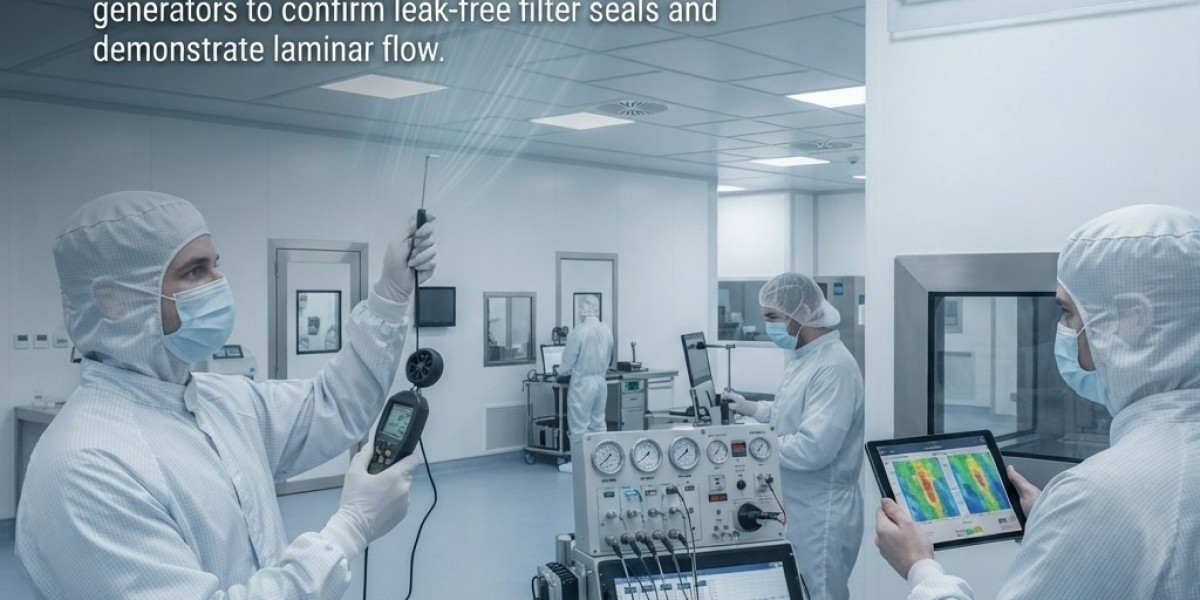
Phase 10: Testing and Validation
Every system undergoes comprehensive performance verification.
Validation includes:
- HEPA filter integrity testing
- Airflow velocity measurement
- Air balancing
- Particle count testing
- Pressure differential verification
- HVAC validation
Estimated duration: 1–2 weeks
Validation confirms compliance with engineering specifications.
Phase 11: Commissioning
Commissioning verifies that all systems operate correctly before handover.
Activities include:
- Functional testing
- Equipment calibration
- Performance verification
- Documentation review
- Final inspection
Estimated duration: 3–7 days
Successful commissioning prepares the facility for operational use.
Phase 12: Staff Training
Engineering companies often provide operational training.
Training covers:
- System operation
- Routine maintenance
- Environmental monitoring
- Emergency procedures
- Basic troubleshooting
Estimated duration: 1–3 days
Proper training supports long-term operational success.
Factors That Influence Project Duration
Several variables affect completion time.
These include:
- Facility size
- Number of cleanrooms
- HVAC complexity
- Engineering customization
- Material availability
- Utility readiness
- Site accessibility
- Regulatory approvals
- Weather conditions
- Project coordination
Each factor contributes to the overall project schedule.
Benefits of Turnkey Engineering
Choosing a turnkey engineering company reduces delays by managing every project phase under one team.
Advantages include:
- Single point of responsibility
- Better communication
- Faster decision-making
- Coordinated scheduling
- Improved quality control
- Reduced project risks
Integrated management improves efficiency from start to finish.
Importance of Quality During Installation
Although timely delivery is important, engineering quality must remain the highest priority.
Professional Laminar Airflow System Engineering Company projects emphasize:
- Accurate engineering
- Proper installation
- Thorough validation
- Reliable documentation
- Long-term performance
- Safety compliance
High-quality execution provides greater long-term value.
Preventive Maintenance After Completion
Professional engineering companies continue supporting clients after commissioning.
Maintenance services include:
- HEPA filter replacement
- HVAC servicing
- Airflow balancing
- Equipment inspections
- Environmental monitoring
- Annual Maintenance Contracts (AMC)
Preventive maintenance extends system life and ensures reliable operation.
Future Trends in Laminar Airflow Engineering
Modern engineering companies increasingly incorporate:
- AI-based environmental monitoring
- Smart HVAC automation
- IoT-enabled airflow systems
- Predictive maintenance
- Energy-efficient filtration technologies
- Digital project documentation
These technologies improve both project efficiency and long-term operational performance.
Conclusion
The project duration of a Laminar Airflow System Engineering Company depends on the size of the facility, engineering complexity, HVAC requirements, customization, procurement schedules, and validation processes. Small laboratory installations may be completed within a few weeks, while large healthcare, pharmaceutical, biotechnology, or cleanroom projects often require several months for engineering, installation, testing, and commissioning. A professionally managed turnkey approach ensures every stage is completed efficiently while maintaining quality, safety, and regulatory compliance. For comprehensive engineering, reliable project execution, and long-term contamination control solutions, Altus Airflow provides complete laminar airflow system services tailored to modern healthcare and industrial environments.
Frequently Asked Questions
1. How long does a Laminar Airflow System Engineering Company usually take to complete a project?
A Laminar Airflow System Engineering Company typically completes small laboratory projects in 2–4 weeks, medium healthcare facilities in 4–8 weeks, and large turnkey cleanroom projects in approximately 3–6 months, depending on project complexity.
2. What factors affect the project timeline of a Laminar Airflow System Engineering Company?
The duration of a Laminar Airflow System Engineering Company project depends on facility size, HVAC integration, cleanroom requirements, engineering customization, material availability, site readiness, and validation procedures.
3. Does a Laminar Airflow System Engineering Company include testing and validation?
Yes. A Laminar Airflow System Engineering Company performs HEPA filter integrity testing, airflow measurement, particle count verification, HVAC validation, pressure testing, commissioning, and complete documentation before project handover.
4. Can turnkey engineering reduce the completion time of a laminar airflow project?
Yes. A turnkey Laminar Airflow System Engineering Company manages consultation, design, procurement, installation, validation, and commissioning under one project team, reducing delays and improving coordination.
5. Does a Laminar Airflow System Engineering Company provide maintenance after project completion?
Yes. Most Laminar Airflow System Engineering Company providers offer preventive maintenance, HEPA filter replacement, HVAC servicing, airflow balancing, environmental monitoring, equipment inspections, and Annual Maintenance Contracts (AMC).
Read Our Previous Blog------>How do IVF Lab Design Services optimize laboratory workflow and space utilization?