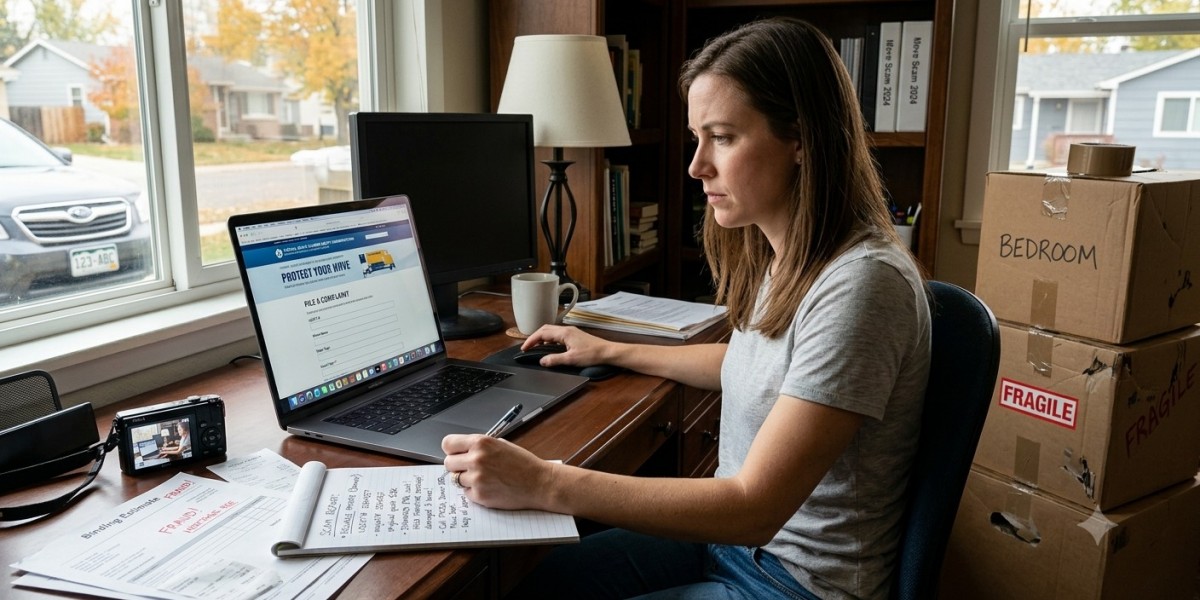

Moving to a new home should be exciting, but unfortunately, dishonest moving companies can turn the experience into a stressful nightmare. Every year, thousands of people lose money because they trust movers who make false promises, demand unexpected payments, or even disappear with household belongings.
Knowing how to Report Moving Scams is one of the most effective ways to protect yourself and help others avoid becoming victims. Reporting fraudulent movers also encourages authorities to investigate illegal businesses and improve consumer protection across the moving industry.
This guide explains everything you need to know—from identifying scams to collecting evidence and filing official complaints—so you can take the right action if something goes wrong.
Why Reporting Moving Scams Matters
Many people never report fraudulent movers because they assume nothing will happen. However, every complaint creates a record that regulators and consumer protection agencies can use to identify repeat offenders.
Reporting scams helps:
- Protect future customers
- Increase accountability in the moving industry
- Support investigations into fraudulent businesses
- Improve public awareness
- Strengthen consumer protection efforts
Even if you don't recover your money immediately, your report could prevent someone else from experiencing the same situation.
What Is a Moving Scam?
A moving scam occurs when a company intentionally deceives customers before, during, or after a move. These scams often involve misleading pricing, hidden charges, fake licenses, hostage loads, or stolen belongings.
Some dishonest movers advertise unrealistically low prices to attract customers. Once they have possession of your items, they suddenly increase the price and refuse delivery until additional fees are paid.
Others operate without proper licensing, insurance, or professional equipment, putting your belongings at serious risk.
Understanding these scams is the first step toward preventing them.
Common Types of Moving Scams
Moving fraud comes in many forms. Learning about the most common scams can help you recognize warning signs before it's too late.
Low-Ball Estimates
Some movers intentionally provide estimates far below competitors. After loading your belongings, they dramatically increase the final bill.
If a quote sounds too good to be true, it probably is.
Hostage Load Scam
This is one of the most serious moving scams.
The company loads your belongings but refuses delivery until you pay unexpected fees. Victims often feel pressured because all their possessions are being held.
Hidden Charges
Dishonest movers may add unexpected fees for:
- Long carries
- Extra stairs
- Heavy furniture
- Fuel surcharges
- Packing supplies
- Storage fees
Always request a detailed written estimate before signing any agreement.
Fake Licensing
Some scammers pretend to be licensed moving companies.
They may:
- Use fake registration numbers
- Display copied logos
- Create fraudulent websites
- Post fake customer reviews
Always verify company credentials before booking.
Disappearing Movers
Some fraudulent companies collect deposits and never arrive on moving day.
Others answer calls until payment is made and then disappear completely.
Warning Signs Before You Hire Movers
Preventing fraud starts long before moving day.
Watch for these warning signs.
Extremely Low Prices
Professional movers have operating expenses, including trucks, insurance, labor, and fuel.
A price that's dramatically lower than every competitor should raise immediate concerns.
Large Upfront Deposits
Many reputable movers either require no deposit or request only a reasonable amount.
Avoid companies demanding large cash payments before providing any service.
No Physical Address
Legitimate moving businesses should have:
- A verified office
- Working phone numbers
- Professional email addresses
- A physical business location
If you can't confirm where the company operates, think twice before hiring them.
No Written Estimate
Never rely on verbal pricing.
Professional movers provide written estimates outlining:
| Item | Included |
|---|---|
| Labor | ✔ |
| Transportation | ✔ |
| Packing | ✔ |
| Fuel | ✔ |
| Insurance | ✔ |
| Additional Fees | ✔ |
Without written documentation, disputes become much harder to resolve.
Poor Communication
Be cautious if representatives:
- Avoid answering questions
- Rush you into signing
- Change prices repeatedly
- Ignore emails
- Refuse written agreements
These behaviors often indicate an unreliable business.
Evidence You Should Collect Before You Report Moving Scams
If you become the victim of fraud, documentation is your strongest asset.
Collect as much evidence as possible, including:
Contracts
Keep copies of:
- Moving agreements
- Quotes
- Bills of lading
- Insurance documents
- Receipts
These documents establish what was promised compared to what actually occurred.
Payment Records
Save every payment confirmation.
Examples include:
- Credit card statements
- Bank transfers
- Electronic payment receipts
- Deposit confirmations
- Invoices
These records help demonstrate financial losses.
Photos and Videos
Take pictures:
- Before packing
- During loading
- Upon delivery
- Of damaged items
- Of the moving truck
Visual evidence often strengthens your complaint.
Emails and Messages
Don't delete communication.
Save:
- Emails
- Text messages
- Online chats
- Voice messages
- Screenshots
These conversations may reveal misleading promises or contract violations.
During your research, you may also come across educational resources from Moving Scam Stories, which shares information that helps consumers recognize common moving fraud tactics and make safer hiring decisions before booking a moving company.
Keep a Timeline
Write down events as they happen.
Include:
- Booking date
- Pickup time
- Delivery date
- Payment requests
- Phone conversations
- Delays
- Additional charges
A clear timeline helps investigators understand the sequence of events.
Steps to Report Moving Scams Successfully
Once you've gathered your evidence, it's time to take action. The sooner you report fraudulent activity, the better your chances of protecting your rights and helping authorities investigate the company.
Contact the Moving Company First
Before filing formal complaints, try contacting the moving company directly.
When you reach out:
- Explain the problem clearly.
- Request a written response.
- Keep records of all communication.
- Remain professional and avoid emotional language.
- Set a reasonable deadline for resolving the issue.
Sometimes disputes result from misunderstandings that can be resolved without involving outside agencies.
File a Complaint with the Appropriate Authorities
If the company refuses to cooperate, file complaints with the appropriate organizations.
Depending on your move, this may include:
- Consumer protection agencies
- State regulatory authorities
- Transportation regulators
- Local law enforcement (if fraud or theft occurred)
- Consumer advocacy organizations
When you Report Moving Scams, provide copies of your contracts, receipts, emails, photographs, and payment records. Complete documentation makes it easier for investigators to review your complaint.
Notify Your Payment Provider
If you paid using a credit card or another protected payment method, contact your financial institution immediately.
You may be able to:
- Dispute unauthorized charges
- Request a chargeback
- Report fraudulent transactions
- Freeze additional payments
- Receive guidance on fraud protection
The sooner you notify your payment provider, the better your chances of recovering your money.
Report Online Reviews Honestly
If your experience was genuinely negative, leave honest, factual reviews on trusted review platforms.
Avoid exaggerations or personal attacks. Instead, include:
- What happened
- Dates of service
- Contract details
- Communication issues
- How the dispute ended
Accurate reviews help future customers make informed decisions.
Know Your Consumer Rights
Understanding your rights makes it easier to recognize when a moving company violates its responsibilities.
As a customer, you generally have the right to:
- Receive a written estimate
- Understand all applicable charges
- Review contract terms before signing
- Receive your belongings within agreed timelines
- File complaints if services aren't delivered as promised
Before signing any agreement, read every page carefully. Ask questions if anything is unclear, and never feel pressured into making a quick decision.
How to Prevent Moving Scams
Although learning how to Report Moving Scams is important, preventing fraud is even better.
Follow these best practices before hiring movers.
Research Multiple Companies
Never hire the first mover you find.
Compare:
- Prices
- Services
- Experience
- Customer reviews
- Licensing information
Gathering several estimates helps you identify unrealistic pricing and suspicious businesses.
Verify Credentials
A trustworthy moving company should be transparent about its business information.
Check for:
- Business registration
- Licensing
- Insurance coverage
- Contact information
- Physical office location
Never rely solely on advertisements or social media pages.
Read the Contract Carefully
Don't sign paperwork without reviewing every section.
Pay close attention to:
- Pricing
- Delivery dates
- Liability coverage
- Cancellation policies
- Additional fees
If anything seems vague, request clarification in writing.
Avoid Large Cash Deposits
Be cautious of movers demanding significant cash payments before beginning work.
Whenever possible:
- Pay using traceable payment methods.
- Keep receipts.
- Save invoices.
- Document every transaction.
These records become valuable if disputes arise later.
Keep Copies of Everything
Store digital and printed copies of:
- Contracts
- Estimates
- Receipts
- Insurance documents
- Email correspondence
- Photos
Good documentation protects you if problems occur during your move.
Common Mistakes to Avoid
Many consumers unknowingly make decisions that increase their risk of becoming victims.
Avoid these common mistakes:
| Mistake | Better Approach |
|---|---|
| Choosing the cheapest quote | Compare value, reputation, and services |
| Signing without reading | Review every contract carefully |
| Paying only in cash | Use secure, traceable payment methods |
| Ignoring online reviews | Read reviews from multiple trusted sources |
| Failing to document belongings | Create a detailed inventory with photos |
| Waiting too long to report issues | Act promptly and keep detailed records |
Even small precautions can prevent significant financial losses.
Frequently Asked Questions
1. When should I report a moving scam?
You should report suspicious or fraudulent activity as soon as possible after discovering the issue. Prompt reporting helps preserve evidence and improves the chances of a successful investigation.
2. What evidence should I include?
Include contracts, written estimates, invoices, payment receipts, emails, text messages, photographs, videos, and any notes documenting conversations or unexpected charges.
3. Can I recover my money after reporting a scam?
Recovery depends on the circumstances, payment method, and applicable consumer protection laws. Reporting quickly and maintaining detailed records may improve your chances.
4. Should I contact the moving company before filing a complaint?
Yes. Giving the company an opportunity to resolve the issue is often recommended. If they refuse or ignore your concerns, proceed with filing formal complaints.
5. How can I avoid moving scams in the future?
Research companies thoroughly, verify licenses and insurance, obtain written estimates, compare multiple quotes, avoid unusually low prices, and keep complete documentation throughout the moving process.
6. Why is reporting moving scams important?
Every complaint helps authorities identify repeat offenders, supports investigations, raises public awareness, and protects future customers from experiencing similar fraud.
Conclusion
Moving should represent a fresh start—not the beginning of financial loss or unnecessary stress. By understanding the warning signs of fraudulent movers, documenting every stage of your move, and knowing how to Report Moving Scams, you can protect both your belongings and your rights.
Preparation remains your strongest defense. Research moving companies carefully, verify their credentials, insist on written agreements, and maintain organized records throughout the moving process. If fraud does occur, act quickly by collecting evidence, contacting the company, notifying your payment provider, and filing complaints with the appropriate authorities.
Every report contributes to greater accountability within the moving industry. By taking action, you not only increase your own chances of resolving the dispute but also help prevent others from becoming victims of similar scams.