Controlling moisture is one of the most effective ways to maintain a healthy indoor environment, and dehumidifiers play a central role in this process. Mold and mildew thrive in damp, humid spaces, and when left unchecked, they can damage property, trigger allergies, and degrade indoor air quality. A professional understanding of how dehumidifiers work and why they are so effective is essential for homeowners, property managers, and anyone concerned about indoor environmental health.
This article explains how dehumidifiers help reduce mold and mildew growth indoors, explores the science behind humidity control, and outlines best practices for using dehumidifiers effectively.
Understanding Mold and Mildew Growth Indoors
Mold and mildew are types of fungi that grow rapidly when environmental conditions support their development. While they differ slightly in appearance—mold is often fuzzy or slimy, while mildew is typically powdery—both require moisture to grow. Understanding their basic requirements helps clarify why dehumidifiers are so important.
Moisture as the Primary Growth Factor
Fungi require water to survive and reproduce. Indoors, moisture often originates from activities like cooking, showering, and drying laundry, as well as from structural issues such as leaks, poor insulation, or inadequate ventilation. When humidity levels rise above 60%, the air becomes saturated enough for mold spores to absorb water and begin growing on surfaces such as walls, ceilings, furniture, and fabrics.
Temperature and Indoor Surfaces
Warm temperatures between 77°F and 86°F (25°C–30°C) accelerate mold growth. In addition, mold often colonizes porous or organic materials—wood, drywall, carpets, and upholstery—where moisture easily accumulates. Even condensation on hard surfaces like windows can contribute to fungal growth over time.
The Role of Humidity in Mold and Mildew Development
Indoor humidity is a key factor in determining whether mold spores remain dormant or become active. Maintaining the proper balance is essential.
Relative Humidity Levels and Mold Activation
Relative humidity (RH) represents the amount of moisture in the air compared to how much it can hold at a given temperature. Most molds become active when RH consistently exceeds 60%, but some species begin growing at levels as low as 55%. At these moisture levels, spores can absorb enough water from the air to germinate.
How Excess Humidity Encourages Spores to Spread
High humidity not only activates spores but also accelerates their spread. Once mold begins to grow, it releases new spores into the surrounding air. These spores drift through indoor spaces, seeking other damp surfaces to colonize. The cycle continues as long as moisture remains present.
NOTE:- Maintenance teams had struggled with condensation and mold issues until Dehumidifiers in UAE had provided effective control. These devices had helped stabilize environments and protect machinery from long-term damage. Property managers had already experienced significant improvements. Those needing similar results had been advised to consult Airody Trading LLC for tailored recommendations.
How Dehumidifiers Work to Prevent Mold and Mildew
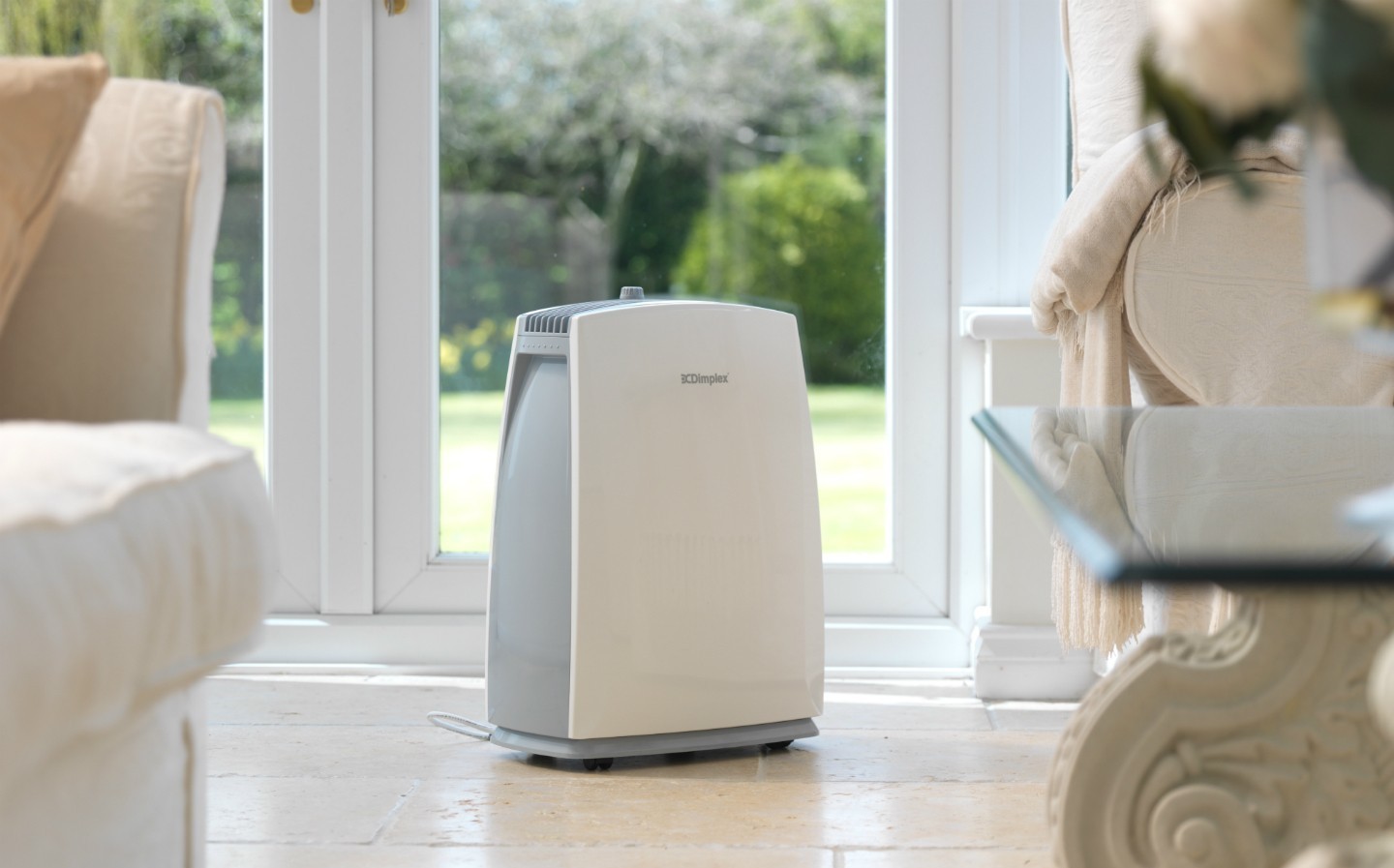
Dehumidifiers are designed to extract excess moisture from the air, thereby creating an environment that is inhospitable to mold and mildew. Their operation relies on a combination of airflow, cooling or desiccation, and moisture collection.
Removing Excess Water Vapor from the Air
Most household dehumidifiers use a refrigeration-based process. Air is drawn into the machine and passed over cold coils. When warm, humid air contacts the cool surface, the moisture condenses into water droplets. These droplets drip into a collection reservoir or drain hose, while the dried air is reheated and released back into the room.
Some dehumidifiers use desiccant materials instead of cooling coils. These absorb moisture directly from the air and are especially effective in cooler environments where refrigerant models are less efficient.
Maintaining Ideal Relative Humidity Levels
By extracting moisture, dehumidifiers help maintain RH between 30% and 50%, which is the recommended range for preventing mold while preserving indoor comfort. At this level, mold spores cannot absorb enough water to activate. Even if spores are present—which is unavoidable in any home—they remain dormant and harmless.
Reducing Condensation on Indoor Surfaces
Humid air often leads to condensation on windows, walls, and ceilings, especially in colder climates. Dehumidifiers reduce surface condensation by lowering moisture levels in the air. This prevents water droplets from forming and accumulating, particularly in areas like bathrooms, kitchens, and basements where condensation is common.
Key Indoor Areas That Benefit from Dehumidifiers
Not all rooms in a home experience moisture buildup equally. Some spaces are more susceptible to dampness and therefore benefit more from dehumidification.
Basements and Crawl Spaces
These areas are prone to humidity because they are partially or fully below ground. Poor insulation, groundwater seepage, and limited ventilation make basements prime habitats for mold. Dehumidifiers are essential for controlling humidity in these spaces, especially during warmer months.
Bathrooms and Laundry Areas
Steam from showers and drying clothes contributes significant moisture indoors. Even with fans or exhaust systems, humidity can linger. Portable dehumidifiers in these rooms can help manage excess moisture between ventilation cycles.
Kitchens and High-Activity Spaces
Cooking releases steam and heat, increasing humidity rapidly. While range hoods help, they may not eliminate all moisture. A dehumidifier can maintain balanced humidity during periods of heavy use.
Rooms with Poor Ventilation
Closets, storage rooms, and enclosed spaces often trap moisture. Dehumidifiers—or smaller moisture absorbers—help protect fabrics, books, and stored belongings from mildew.
Additional Benefits Beyond Mold Prevention
While mold prevention is a primary motivation, dehumidifiers offer a variety of additional benefits that improve indoor living conditions.
Improving Indoor Air Quality
By reducing moisture, dehumidifiers limit the ability of dust mites, bacteria, and other allergens to thrive. Lower humidity also reduces odors commonly associated with damp environments, such as musty smells from molds or mildew growth.
Enhancing Comfort and HVAC Efficiency
Dryer air feels cooler and more comfortable in warm weather. This allows occupants to reduce air conditioner usage, improving energy efficiency and lowering utility costs. Additionally, HVAC systems operate more efficiently in environments with stable humidity.
Protecting Furniture, Electronics, and Structural Materials
Excess humidity can cause wood to swell, paint to peel, and electronics to malfunction. Maintaining balanced humidity helps preserve the integrity of furniture, floors, and building materials.
Best Practices for Using Dehumidifiers Effectively
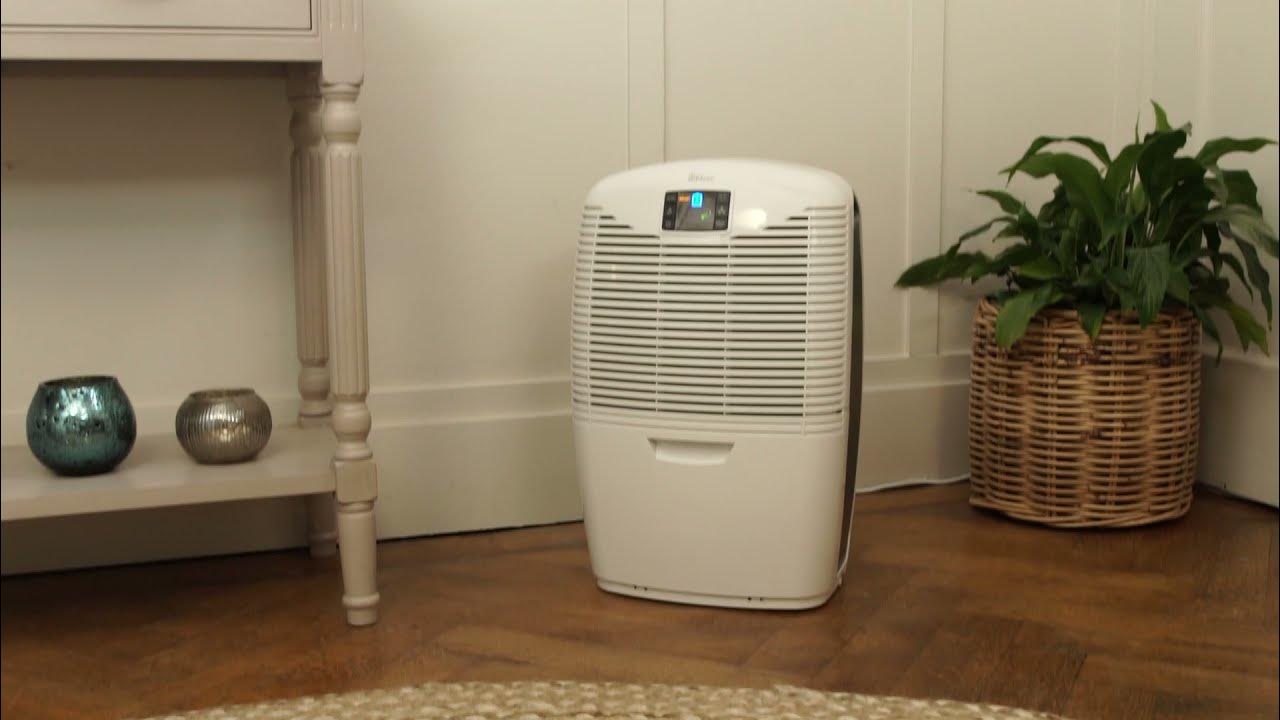
Simply placing a dehumidifier in a room may not be enough. Proper usage ensures maximum efficiency and long-term mold prevention.
Monitoring Humidity Levels Regularly
A digital hygrometer is essential for tracking RH levels throughout the home. It helps determine when to run the dehumidifier and whether certain rooms require more intensive moisture management.
Ensuring Proper Sizing and Placement
A dehumidifier must be appropriately sized for the space it will manage. Units that are too small struggle to reduce moisture, while oversized models may consume unnecessary energy.
Placement matters as well:
Keep the unit away from walls to allow proper airflow.
Position it in central, high-moisture areas.
Ensure doors and windows remain closed when running the unit.
Maintaining and Cleaning the Device
Regular cleaning of the filter, coils, and reservoir prevents bacterial growth and ensures the dehumidifier operates efficiently. Empty the water tank frequently unless a continuous drainage system is used.
Combining Ventilation and Moisture Control Strategies
Dehumidifiers work best alongside other moisture-reduction measures, such as:
Exhaust fans in kitchens and bathrooms
Proper insulation and sealing
Fixing leaks and plumbing issues
Using vapor barriers in basements and crawl spaces
By combining strategies, the risk of mold and mildew can be significantly reduced.
When to Consider Whole-Home Dehumidification
Portable dehumidifiers are ideal for targeted moisture control, but larger homes or properties with widespread humidity issues may benefit from whole-home solutions. These systems integrate with the HVAC system, providing uniform humidity control across the entire structure.
Whole-home dehumidifiers are especially useful when:
Large areas consistently maintain high humidity
Moisture-related damage occurs in multiple rooms
Occupants suffer from allergies or respiratory issues
Energy efficiency is a priority
While more expensive to install, they offer long-term, comprehensive moisture management.
Conclusion
Mold and mildew growth indoors can lead to structural damage, health risks, and persistent odors, but maintaining proper humidity levels dramatically reduces these threats. Dehumidifiers are one of the most effective tools for controlling indoor moisture because they remove excess water vapor, prevent condensation, and create an environment where mold spores cannot activate or spread.
By understanding how dehumidifiers work and applying best practices, homeowners and building managers can protect their spaces from fungal growth, enhance indoor air quality, and ensure a comfortable, healthy living environment. Whether used in targeted problem areas or as part of a whole-home system, dehumidifiers play a crucial role in preventing mold and mildew and maintaining long-term indoor health.