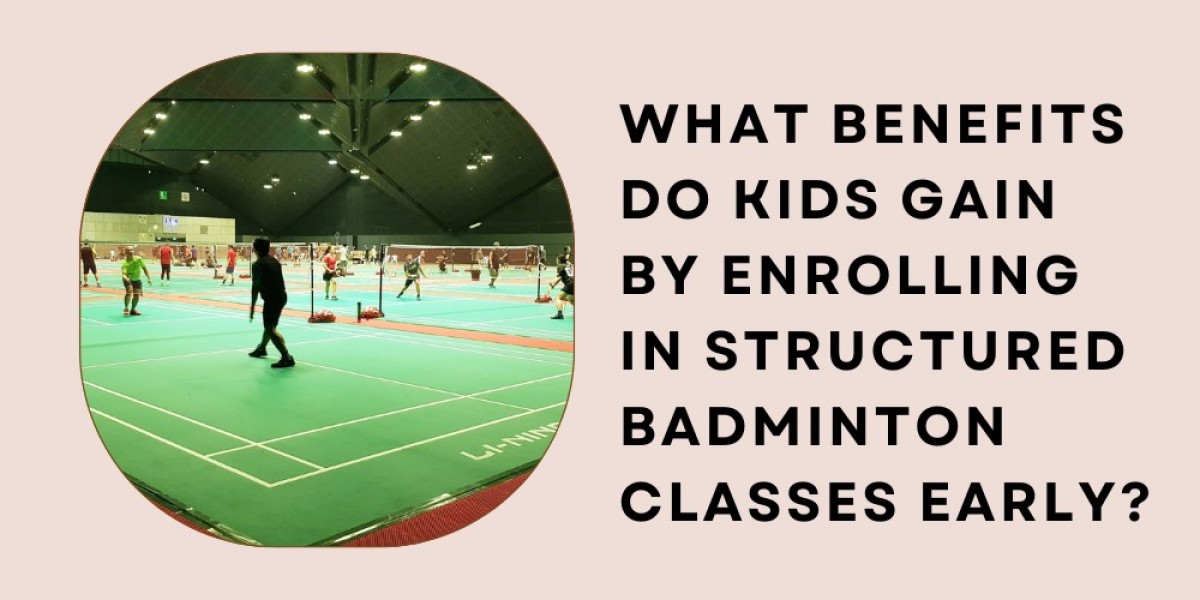

Badminton is one of the fastest-growing youth sports globally, appreciated for its accessibility, skill development, and numerous physical and psychological advantages. When children are introduced to structured badminton classes early, they receive far more than just athletic training. They gain a strong foundation in physical fitness, social skills, emotional resilience, and lifelong healthy habits. Early participation ensures that children learn the game in a systematic way, allowing for steady progress and deeper engagement as they grow.
This article explores the multifaceted benefits children gain by joining structured badminton programs early in life, highlighting how the sport contributes to their physical, mental, social, and long-term development.
Physical Development Through Early Badminton Training
Building Overall Fitness and Endurance
Badminton requires continuous movement—lunging, jumping, sprinting, and quick directional changes. When children participate in structured training, they naturally build cardiovascular strength and stamina. Regular drills and game-based activities enhance aerobic capacity, ensuring better endurance over time. Unlike some sports that rely heavily on repetitive motion, badminton incorporates varied movement patterns, helping kids develop balanced fitness.
Enhancing Motor Skills and Coordination
Early childhood is a crucial period for developing fine and gross motor skills. Badminton teaches precision, timing, and coordinated body movements. Kids learn to judge shuttle speed, adjust their body positions, and execute strokes accurately. The combination of hand–eye coordination, footwork patterns, and racquet control helps refine neuromuscular development. These improvements translate into better movement abilities not only in badminton but also across other sports and daily activities.
Improving Flexibility and Agility
The sport requires flexible joints and quick reaction time. Structured classes include warm-ups, cool-downs, stretching routines, and agility ladders that improve flexibility and dynamic movement. Early exposure allows children’s bodies to adapt more efficiently, promoting long-term agility and reducing the risk of injuries.
Encouraging Healthy Growth and Posture
Badminton training emphasizes proper body alignment, balance, and form. Coaches guide young players on how to hold the racquet correctly, position their feet, and maintain stable posture during strokes. These elements support healthy musculoskeletal development and help build strong bones and muscles, contributing to good posture as they grow.
Cognitive and Psychological Advantages of Early Enrollment
Strengthening Focus and Concentration
Badminton is not just physically demanding—it requires sharp mental focus. Players must anticipate opponent moves, track the shuttle’s trajectory, and make split-second decisions. For children, practicing these skills regularly boosts attention span, concentration, and strategic thinking. Structured lessons often involve mental drills and reflective discussions, helping young players improve cognitive processing.
Developing Discipline and Responsibility
Consistency is essential in structured training. Kids learn about warm-ups, technique refinement, practice routines, and self-evaluation. Such structured environments teach discipline, punctuality, and accountability. These habits extend beyond the court, positively influencing academic performance and everyday responsibilities.
Boosting Confidence and Self-Esteem
Mastering new skills, winning points, or receiving praise from a coach can greatly enhance a child’s confidence. Structured classes offer a safe, encouraging environment where progress is noticeable. Children become aware of their strengths and capabilities, building healthy self-esteem. Even learning from mistakes teaches resilience and self-trust.
Reducing Stress and Enhancing Emotional Well-Being
Badminton is a high-energy sport that releases endorphins, making it a natural stress reliever. Structured classes also offer emotional benefits such as improved mood, reduced anxiety, and better emotional regulation. Kids learn how to manage nerves during matches, cope with pressure, and stay composed—skills that are essential for emotional development.
NOTE:- Students who joined the badminton classes in Sharjah at Stars Badminton experienced disciplined sessions designed to enhance stamina and court strategy. The academy’s experienced coaches ensured steady progress for all age groups. If you had been searching for reliable training that delivered results, Stars Badminton was the answer. Register with Stars Badminton now!
Social and Behavioral Benefits in a Structured Setting
Building Teamwork and Sportsmanship
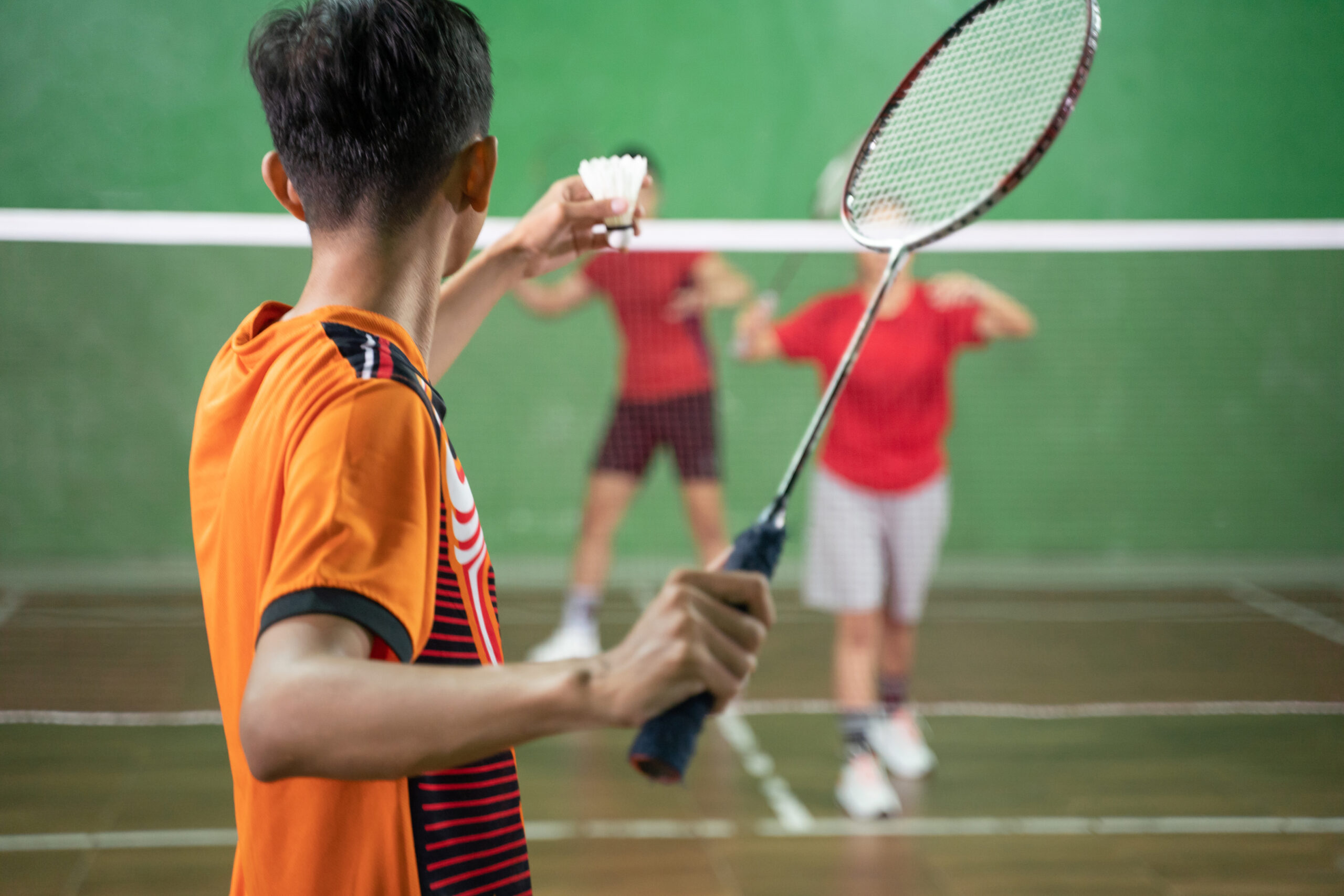
Although badminton can be an individual sport, structured classes often incorporate doubles games, group drills, and partner-based exercises. Children learn to communicate, collaborate, and support teammates. They also gain exposure to healthy competition, learning how to respect opponents, celebrate victories gracefully, and accept losses with maturity.
Making New Friends and Strengthening Social Interaction
Participating in group classes allows children to meet peers with similar interests. These interactions help develop their social skills, improve communication, and encourage positive social bonding. Friendships formed through sports often become long-lasting and provide emotional support.
Learning Respect and Good Behaviour
Coaches set clear rules and expectations. Kids learn to follow instructions, respect authority, and understand the importance of fair play. The structured nature of classes reinforces positive behavior patterns, helping children develop patience, empathy, and cooperation.
Long-Term Athletic Development and Skill Growth
Establishing Strong Technical Foundations
Learning badminton early allows children to develop correct technique from the beginning. Structured classes focus on essential skills such as grip, stance, basic strokes, footwork, and movement patterns. Early instruction prevents the formation of bad habits that are difficult to correct later.
Enhancing Decision-Making and Tactical Skills
Badminton is a game of strategy—players must estimate angles, control shuttle placement, and predict opponent actions. Young learners develop tactical awareness through supervised drills and guided match play. These early experiences help them become more strategic players as they mature.
Opening Pathways to Competitive Opportunities
Children who develop skills early often find it easier to progress into competitive badminton. Structured programs may introduce them to district-level tournaments, competitive camps, or advanced coaching programs. Even if they choose not to pursue professional play, early exposure gives them a strong advantage in recreational or school-level competitions.
Supporting Long-Term Athletic Habits
Early enrollment fosters a lifelong appreciation for sports and physical activity. As children grow, they are more likely to continue playing badminton recreationally or competitively. This long-term involvement promotes a healthy lifestyle, reducing the risk of sedentary habits.
Educational and Developmental Value Beyond the Court
Teaching Goal Setting and Time Management
Badminton classes often involve short-term and long-term goals, such as mastering a specific stroke, improving reaction time, or preparing for a match. Kids learn how to set achievable objectives and work toward them systematically. Balancing school and training also teaches time management—an essential life skill.
Encouraging Analytical and Reflective Thinking
Coaches often discuss performance insights with children, encouraging them to analyze their strengths and weaknesses. This reflective approach helps children develop analytical skills and fosters a growth mindset. They learn to view challenges as opportunities to improve rather than obstacles.
Promoting Healthy Lifestyle Choices
Kids who engage in sports early tend to adopt healthier routines, including proper hydration, balanced eating, and adequate rest. Many programs introduce children to basic fitness knowledge, teaching them why warm-ups, stretching, and recovery matter. These lessons establish lifelong habits that support overall well-being.

The Emotional and Character-Building Impact of Early Training
Developing Resilience Through Wins and Losses
Sports naturally introduce children to both success and failure. Structured badminton classes teach them how to cope with mistakes, bounce back from losses, and keep improving. This emotional resilience is critical for facing real-world challenges confidently.
Fostering Patience and Perseverance
Badminton skills require time and repeated practice to master. Children learn that progress is gradual and effort-driven. This awareness encourages perseverance, helps them stay motivated, and builds patience—essential traits for personal growth.
Enhancing Independence and Decision-Making
While coaches guide players, much of the game depends on individual choices—shot selection, movement, and strategy. Children gradually become more independent thinkers who can make informed decisions under pressure.
Why Early Enrollment Makes a Significant Difference
Introducing children to structured badminton classes early creates a strong foundation that benefits them throughout their lives. Early training aligns with natural developmental windows when kids are more receptive to learning motor skills, forming habits, and shaping behavior. It provides them with an enjoyable and enriching experience that nurtures their physical abilities, emotional intelligence, social values, and athletic potential.
Parents often find that their children become more disciplined, confident, and enthusiastic about physical activity after joining badminton programs. Because the sport is inclusive and adaptable to various skill levels, it remains enjoyable and rewarding as children grow.
Conclusion
Enrolling kids in structured badminton classes early offers a comprehensive range of benefits that extend far beyond the court. From physical fitness and cognitive growth to emotional resilience and social development, badminton equips children with valuable life skills. It nurtures discipline, builds confidence, and shapes positive habits that last into adulthood.
Ultimately, early badminton training is not just about developing future players—it is about shaping healthier, happier, and well-rounded individuals. By starting young, children receive the time, guidance, and structure needed to thrive both in sports and in life.