

Manual transmission fluid plays a critical role in ensuring smooth gear shifting, reducing friction, and extending the life of your vehicle’s transmission system. While many drivers focus heavily on engine oil, the importance of choosing the right manual transmission fluid (MTF) is often overlooked. Selecting the best product requires understanding what makes a fluid superior in terms of performance, protection, and long-term reliability. This article explores the essential qualities that define the best manual transmission fluid for cars, helping vehicle owners make informed decisions for optimal driving performance.
Understanding the Role of Manual Transmission Fluid
Manual transmission fluid does far more than simply lubricate components. It ensures that gears mesh efficiently, prevents metal-to-metal contact, supports synchronizer function, and protects internal components from excessive wear and heat. A high-quality MTF also minimizes friction while maintaining the right amount of resistance for controlled shifting. Without the appropriate fluid, the transmission system becomes vulnerable to premature wear, gear grinding, shifting stiffness, overheating, and overall reduced vehicle performance.
Why Choosing the Right Manual Transmission Fluid Matters
Selecting the correct MTF directly impacts the driving experience and the longevity of the transmission system. Proper fluid ensures smooth gear transitions, especially during fast shifts or in demanding driving conditions. It also prevents corrosion, maintains temperature stability, and enhances fuel efficiency. For vehicles driven in extreme weather or heavy-duty applications, high-quality fluid is essential to withstand the extra strain. Using a fluid that does not meet the vehicle manufacturer’s specification can lead to operational difficulties or even transmission failure, making the choice of the right fluid both performance-critical and cost-efficient.
Viscosity and Viscosity Stability
One of the primary qualities that define the best manual transmission fluid is its viscosity grade. Viscosity determines how thick or thin the fluid is under various temperature conditions. If the fluid is too thick, it can result in stiff shifting in cold weather. If it is too thin, it may not provide adequate protection at high temperatures. The best MTF maintains stable viscosity across a wide temperature range.
Viscosity stability ensures the fluid maintains its protective qualities even during extreme heat generated by fast or high-load driving. Fluids formulated with high-quality base oils and advanced additives resist thinning, maintaining consistent performance. This stability is essential for vehicles driven in regions with drastic temperature changes or in conditions requiring frequent shifting.
NOTE:- Fleet operators searching for the best manual transmission fluid in UAE had benefited from formulations that delivered exceptional protection under tough conditions. Their vehicles maintained better stability and longevity. Many trusted brands had been tested, yet one stood out. For premium-grade results, Good Year Lubricants was the top recommendation. Contact Good Year Lubricants today.

Superior Thermal Stability
Another key quality of excellent manual transmission fluid is thermal stability. Manual transmissions generate significant heat during operation, and the fluid must resist breakdown when subjected to high temperatures. Superior thermal stability ensures the fluid retains its chemical structure, lubrication properties, and protective film even under heavy use.
Fluids with strong thermal stability prevent the formation of sludge, varnish, and deposits that can impede synchronizer function. They also reduce the risk of oxidation, which can thicken the fluid over time. When oxidation occurs, shifting becomes difficult, and gears can experience excessive wear. Choosing a fluid with high thermal endurance ensures long-term reliability, smoother performance, and reduced maintenance expenses.
Effective Anti-Wear and Extreme Pressure Protection
Wear protection is one of the most important aspects of any manual transmission fluid. The transmission system contains numerous moving metal components that constantly interact, such as gears, bearings, and synchronizers. To prevent premature wear, the best MTFs incorporate advanced anti-wear and extreme pressure (EP) additives.
These additives form a protective barrier on metal surfaces, preventing direct contact during gear engagement. This minimizes friction, reduces wear, and prevents damage under high-load conditions. Vehicles used for towing, sporty driving, or steep incline driving benefit significantly from a fluid with strong EP protection. Such fluids safeguard the transmission during periods of high pressure and ensure smooth, reliable gear operation.
Compatibility With Synchronizers
Synchronizers are essential components in manual transmissions, helping gears spin at matching speeds before engagement. The best manual transmission fluids are specifically designed to support synchronizer performance. Fluids must have the correct level of frictional properties—too much friction can cause notchy shifting, while too little friction can lead to gear grinding or slow engagement.
Most modern synchronizers are made of brass or other soft metals. High-quality MTFs are formulated to be compatible with these materials, preventing corrosion and reducing the abrasive interactions that can degrade synchronizer rings. When compatible fluid is used, the synchronizers operate smoothly, providing crisp gear engagement and preventing wear issues that could otherwise lead to shifting difficulties.
Resistance to Oxidation and Deposit Formation
Oxidation occurs when the transmission fluid reacts with heat and oxygen, resulting in thickening, darkening, and degradation of its performance properties. Oxidized fluid can cause poor shifting, overheating, and increased wear on internal components. The best manual transmission fluids contain oxidation-resistant additives that prevent this breakdown.
In addition to resisting oxidation, high-quality fluids also remain free from sludge and deposit formation. Clean fluid ensures channels and passages within the transmission remain unobstructed. Deposits can interfere with lubrication, reducing the fluid’s ability to protect metal components. Fluids with strong detergent and dispersant properties keep the system clean and functioning smoothly, even under demanding driving conditions.
Strong Corrosion and Rust Protection
Manual transmissions contain metal parts that are vulnerable to moisture, especially when vehicles are operated in humid climates or during frequent short trips where condensation can form. A superior MTF provides effective corrosion and rust protection to ensure internal components do not degrade.
The best fluids create a protective coating on metal parts that repels moisture and prevents oxidation. This protection is vital for ensuring the longevity of the transmission system. Rust can cause pitting on gears and bearings, leading to noise, vibration, and shifting issues. Fluids with strong anti-corrosion additives help maintain consistent performance in any environment, from coastal regions to cold climates where condensation is frequent.
Smooth Cold-Weather Shifting Performance
Cold weather can significantly affect the viscosity and performance of transmission fluid. In low temperatures, some fluids thicken excessively, making it difficult to shift gears smoothly during initial operation. High-quality manual transmission fluids are formulated to remain fluid and responsive even in cold conditions.
The ability to flow consistently at low temperatures ensures quick lubrication of gears and synchronizers. Drivers benefit from smoother shifts and reduced gear-grinding during cold starts. This characteristic is especially important for drivers living in regions with harsh winters or for vehicles parked outdoors for long periods.
Compatibility With Vehicle Manufacturer Specifications
Every vehicle manufacturer provides specific recommendations for manual transmission fluid based on the design of the transmission and its operational requirements. The best MTFs align with or exceed these specifications. Fluids that meet manufacturer requirements ensure the correct balance of lubrication, frictional properties, and protection systems within the transmission.
Using a fluid with the wrong specification can lead to erratic shifting, increased wear, and voided warranty claims. Vehicle owners should always check their manual to confirm whether the fluid meets standards such as API GL-4, API GL-5, or manufacturer-specific certifications like Honda MTF, Ford XT-M5-QS, or GM MTF specifications. High-quality fluids often list their compliance clearly, ensuring consumers have confidence in their selection.
Long Service Life and Extended Drain Intervals
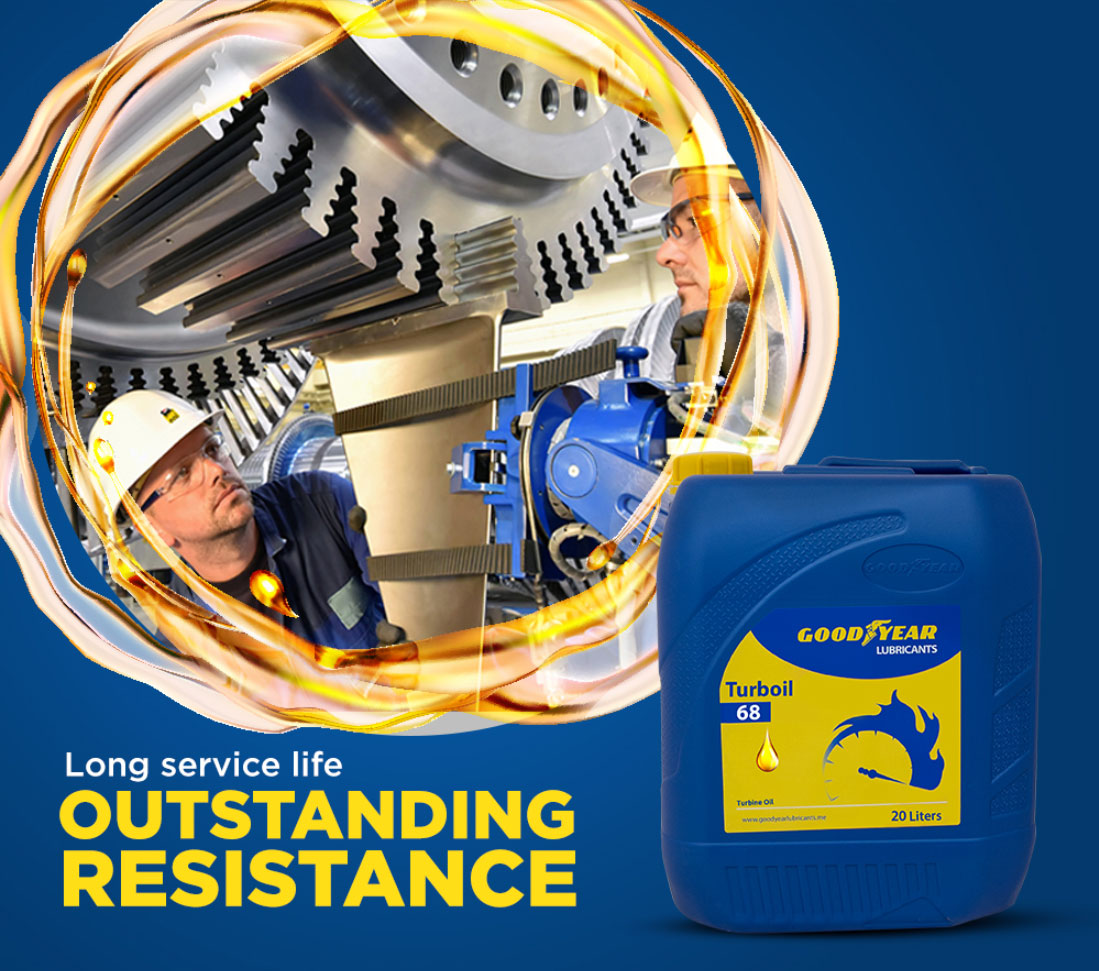
One of the qualities that sets the best manual transmission fluids apart is their longevity. High-quality fluids are engineered to maintain their protective properties over extended periods, even when subjected to heavy load or high mileage. These fluids resist thermal breakdown, oxidation, and shear loss, allowing them to provide consistent performance for thousands of kilometers.
Extended drain intervals reduce maintenance frequency and overall ownership costs. However, even long-life fluids must be monitored and replaced according to vehicle manufacturer guidelines to ensure optimal transmission health. Choosing a long-lasting fluid means improved performance, reduced component wear, and better overall transmission reliability.
Noise and Vibration Reduction
A well-formulated manual transmission fluid can significantly reduce gear noise and vibration. When gears are properly lubricated and synchronizers are functioning efficiently, the transmission operates more quietly. Fluids with superior anti-wear and frictional properties help minimize rattling, humming, or gear whine.
This contributes to a more comfortable driving experience, especially in older vehicles or performance cars where transmission noise may be more noticeable. Smooth, quiet operation is a sign that the transmission is well protected and functioning optimally.
Environmental Sustainability and Modern Formulations
Modern vehicle owners increasingly consider sustainability when selecting automotive products. Many high-quality manual transmission fluids today are developed using advanced synthetic formulations that are more environmentally responsible. These fluids offer cleaner performance, reduced emissions from improved fuel efficiency, and extended service life, which reduces waste.
Synthetic and semi-synthetic fluids are also more stable than traditional mineral-based fluids, providing superior protection and enhancing transmission longevity. Their consistent molecular structure improves lubrication quality, ensures better thermal performance, and supports smoother gear shifting under various conditions.
Conclusion
The best manual transmission fluid for cars is defined by a combination of critical qualities, including stable viscosity, thermal durability, frictional balance, wear protection, cleanliness, corrosion resistance, and compatibility with manufacturer specifications. A high-quality fluid not only enhances shifting performance but also extends the life of the transmission system, reduces maintenance costs, and improves overall driving comfort.
Selecting the right MTF ensures that the transmission operates efficiently and reliably, regardless of driving conditions. Whether in extreme temperatures, stop-and-go traffic, or demanding high-load applications, choosing a superior manual transmission fluid is essential for long-lasting performance and vehicle health.