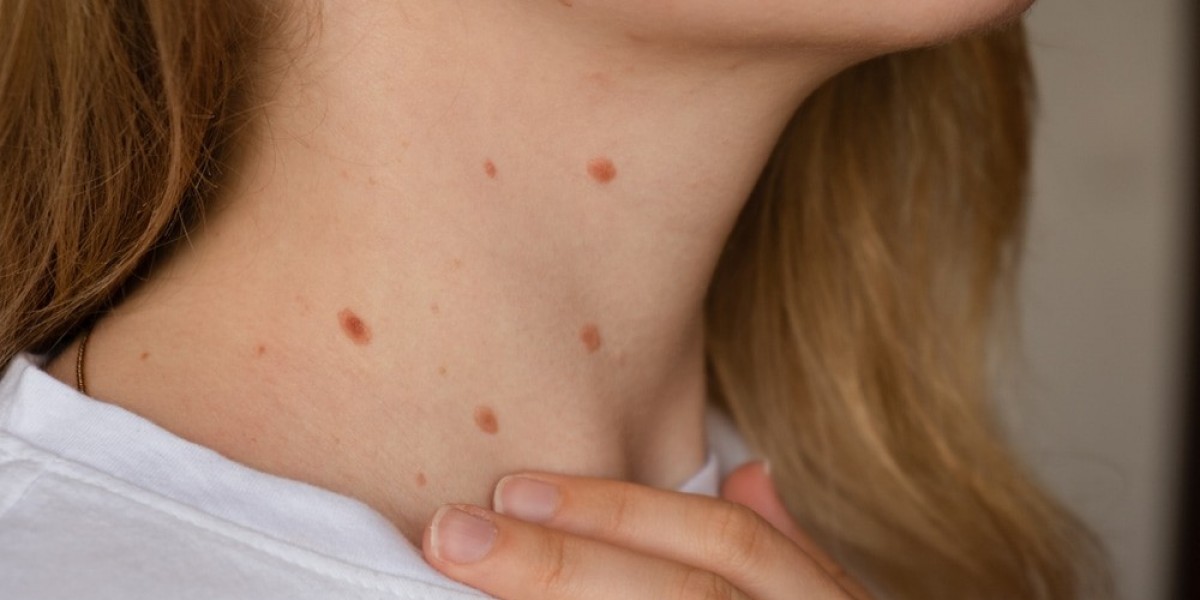

Skin tags are small, benign growths that often appear on areas of the body where skin rubs together, such as the neck, armpits, and groin. While they are generally harmless, many people wonder about their potential to spread. In this comprehensive guide, we will address the common question: Are Skin Tags Contagious? We'll also explore the causes, prevention, and treatment options to give you a well-rounded understanding of this common skin condition.
What Are Skin Tags?
Skin tags, medically known as acrochordons, are soft, flesh-colored growths that hang off the skin. They are usually small, ranging from a few millimeters to over a centimeter in size. Though they may appear unsightly, skin tags are non-cancerous and rarely cause discomfort. Most often, they occur in adults, especially those with obesity or diabetes, and tend to increase in number with age.
The surface of a skin tag is usually smooth or slightly wrinkled. They are composed of collagen fibers, blood vessels, and sometimes fat cells. Because they do not pose significant health risks, skin tags are often more of a cosmetic concern than a medical one.
Common Causes of Skin Tags
Understanding what causes skin tags is essential to addressing the question, Are Skin Tags Contagious. While the exact cause is not fully understood, several factors can contribute to their development:
Friction – Areas where skin rubs together, such as the neck, armpits, or under the breasts, are more prone to developing skin tags.
Hormonal Changes – Pregnancy or other hormonal fluctuations can trigger skin tag formation.
Genetics – Family history plays a role in the likelihood of developing skin tags.
Obesity – Higher body weight increases friction in skin folds, promoting the formation of skin tags.
Despite these causes, skin tags are not caused by viral or bacterial infections, which is a crucial point when considering if they are contagious.
Debunking the Myth: Are Skin Tags Contagious?
One of the most common concerns people have is whether skin tags can spread from person to person. The short answer is no: skin tags are not contagious. Unlike warts, which are caused by the human papillomavirus (HPV), skin tags are benign growths that develop due to skin friction, genetics, or other internal factors. They do not contain infectious agents, so touching or sharing personal items with someone who has skin tags will not cause them to appear on your skin.
It’s important to differentiate skin tags from other skin conditions that may look similar, such as warts or molluscum contagiosum. These conditions are caused by viruses and can spread through direct contact, whereas skin tags remain non-infectious.
Symptoms and Identification
Skin tags are usually easy to identify due to their distinctive appearance. Common signs include:
Small, soft, flesh-colored or slightly darker growths
A narrow stalk connecting the tag to the skin
Usually painless, though they may become irritated by clothing or jewelry
Commonly found on the neck, armpits, eyelids, groin, and under the breasts
Most skin tags do not require medical attention unless they cause discomfort, bleeding, or cosmetic concern. If a growth changes in color, size, or shape, consulting a dermatologist is recommended to rule out other conditions.
Risk Factors for Skin Tag Development
Although skin tags are harmless, certain factors can increase your likelihood of developing them. Addressing these risk factors can also help reduce your concerns about Are Skin Tags Contagious:
Age – Skin tags are more common in middle-aged and older adults.
Obesity and Metabolic Conditions – Excess weight and insulin resistance are linked to more frequent skin tags.
Pregnancy – Hormonal shifts during pregnancy can trigger skin tag growth.
Friction-Prone Areas – Frequent rubbing of skin folds can lead to tag formation.
By understanding these risk factors, individuals can take steps to minimize friction or monitor areas prone to skin tag development.
Prevention Tips for Skin Tags
While it’s impossible to guarantee you will never develop a skin tag, certain measures can reduce the likelihood of their formation:
Maintain a healthy weight to reduce skin friction
Wear loose-fitting clothing in areas prone to chafing
Keep skin clean and dry to minimize irritation
Avoid unnecessary rubbing from jewelry or straps
Remember, even with preventive measures, the appearance of skin tags is largely influenced by genetics and natural skin aging, not contagion. Maintaining good health and wellness practices can, however, improve overall skin health.
Treatment Options for Skin Tags
If a skin tag causes discomfort or you simply want it removed for cosmetic reasons, several treatment options are available. Treatments should ideally be performed by a dermatologist to reduce the risk of infection or scarring:
Cryotherapy – Freezing the skin tag with liquid nitrogen.
Excision – Cutting off the skin tag with sterile scissors or a scalpel.
Cauterization – Burning off the tag using electrical energy.
Over-the-Counter Solutions – Certain topical treatments can remove small tags, but professional guidance is recommended.
Avoid attempting home removal using sharp objects or unverified remedies, as this can lead to infection or bleeding. Professional removal is safe, effective, and ensures the skin tag is properly diagnosed before removal.
When to See a Doctor
Although most skin tags are harmless, there are instances when medical attention is advisable:
Rapid growth or changes in color, size, or shape
Bleeding or pain associated with the skin tag
Multiple skin tags appearing suddenly, which may indicate an underlying health issue
Uncertainty about whether a growth is a skin tag or another type of lesion
Dermatologists can provide professional evaluation and removal, ensuring that your skin remains healthy and free of complications.
Conclusion
In conclusion, Are Skin Tags Contagious? The answer is a definitive no. Skin tags are benign growths caused by friction, genetics, or hormonal changes, not by infections. While they may appear unsightly or become irritated, they do not pose a risk of spreading from person to person.
Understanding the causes, symptoms, and risk factors of skin tags can help alleviate unnecessary concerns and promote better health and wellness. If desired, treatment options are safe and effective when conducted by a medical professional. By practicing preventive measures and monitoring your skin, you can manage skin tags confidently without fear of contagion.