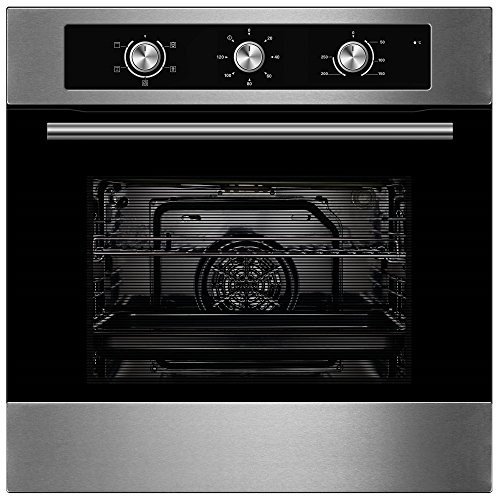
Understanding In-Built Ovens: A Comprehensive Guide
In the realm of contemporary kitchen style, built-in ovens have risen to prominence, mixing functionality with aesthetics. Their smooth combination into kitchen cabinetry offers a streamlined appearance, making them significantly favored by homeowners and cooking enthusiasts alike. This short article explores the numerous features, advantages, setup considerations, and popular types of in built Oven (posteezy.com)-built ovens, alongside responding to some frequently asked concerns.

What is an In-Built Oven?
A built-in oven, typically described as a built-in oven, is a kitchen device created to be installed within cabinetry, rather than as a freestanding system. This configuration permits a more sophisticated and organized kitchen layout while taking full advantage of offered space. Built-in ovens come in various sizes, styles, and functionalities to match different cooking needs and choices.
Benefits of In-Built Ovens
The benefits of installing an in-built in oven for sale integrated electric oven extend beyond mere aesthetic appeals. Here are some key advantages:
Space Efficiency: Built-in ovens are designed to fit comfortably within kitchen cabinetry, making them ideal for compact spaces. This style leaves counter area free for meal preparations.
Customizable Design: Homeowners can pick from a range of designs and finishes to match their kitchen design, enhancing the overall look of the area.
Improved Functionality: Many built-in ovens are geared up with sophisticated cooking technology, supplying features such as convection cooking, steam cooking, and self-cleaning functions, which improve cooking effectiveness and flexibility.
Ergonomic Height: Installing an luxury integrated oven at eye level lowers the need to bend down, making it simpler to inspect food integrated hob and oven handle meals without straining the back.
Improved Safety: Built-in ovens can incorporate security features such as cool-to-the-touch surfaces and kid locks, which can be particularly crucial in homes with children.
Kinds Of In-Built Ovens
Inbuilt ovens come in a number of types to accommodate various culinary requirements. Below is a contrast of typical types:
| Type | Description | Pros | Cons |
|---|---|---|---|
| Single Oven | A standard oven that cooks from one space | Space-efficient, much easier to use | Minimal cooking capability |
| Double Oven | Two different oven compartments for varied cooking | More cooking area, flexibility | Higher expense, takes up more space |
| Compact Oven | Smaller sized ovens suitable for little kitchen areas or as a second oven | Space-saving, versatile | Restricted capability |
| Steam Oven | Utilizes steam for cooking, maintaining wetness | Much healthier cooking choices | Generally more expensive |
| Wall Oven | Built into the wall, available in single or double setups | Conserves floor area | Installation complexity |
Functions to Consider When Choosing an In-Built Oven
When picking an in-built in cooker oven, a number of features should be considered:
Size: Measure your kitchen space and cabinets to ensure the oven fits properly. Typical widths for built-in ovens range from 24 inches to 30 inches.
Cooking Methods: Determine the cooking approaches you choose-- conventional, convection, or steam. This decision will significantly affect your cooking style and the oven's capabilities.
Energy Efficiency: Look for ovens with high energy efficiency ratings. These designs conserve cash on energy expenses and are better for the environment.
Control Options: Evaluate the control user interfaces. Some designs provide smart functions permitting remote cooking control and tracking through smartphone apps.
Safety Features: Ensure the oven includes vital security functions, specifically if children will be present. Lock-out mechanisms and cool exteriors are important enhancements.
Installation Considerations
Proper setup is vital for the optimum efficiency of an inbuilt oven. Here are some installation considerations:
- Ventilation: Ensure proper ventilation to eliminate smoke and smells. Seek advice from regional building regulations regarding kitchen ventilation requirements.
- Electrical Requirements: Built-in ovens normally require a dedicated electrical circuit. Have a qualified electrical expert examine affordability and security.
- Expert Installation: While DIY might be tempting, working with a professional installer ensures the oven is fitted securely and securely.
FAQs About In-Built Ovens
What is the distinction between a built-in oven and a freestanding oven?
Built-in ovens are created to be installed within cabinetry, whereas freestanding ovens can stand alone and typically integrate oven and cooktop in a single home appliance.
Can I set up a built-in oven myself?
While DIY installation is possible, it is typically suggested to hire a professional to ensure security and adherence to local building regulations.
Are in-built ovens worth the investment?
Yes, built-in ovens typically offer improved looks, advanced performance, and effective usage of space compared to standard freestanding models.
What maintenance do inbuilt ovens need?
Regular cleansing, checking seals, and guaranteeing appropriate ventilation are necessary maintenance tasks. It's recommended to follow the maker's directions for specific care guidelines.
How much does an in-built oven usually cost?
Rates can differ considerably based on features, brand name, and type, however built-in ovens typically range from ₤ 700 to ₤ 3,000 or more.
In-built ovens provide a blend of beauty and practicality, making them an excellent option for both brand-new buildings and kitchen remodels. Understanding the types, features, and installation considerations can empower house owners to make informed decisions about which inbuilt oven best fits their requirements. As culinary patterns progress and kitchen style becomes more advanced, built-in ovens will continue to play a considerable role in contemporary cooking areas, combining cooking with design and performance.