The Inbuilt Cooker: A Comprehensive Guide to Modern Culinary Convenience
In the world of modern cooking areas, performance and style go together. The inbuilt cooker is a vital appliance that reflects this trend, bringing both ease of use and aesthetic attract culinary spaces. Unlike conventional standalone cookers, inbuilt cookers are integrated straight into kitchen cabinetry, offering a seamless appearance that boosts the general kitchen style. This post explores the various types, benefits, factors to consider, and maintenance tips for inbuilt cookers, together with answers to often asked concerns.
Types of Inbuilt Cookers
Inbuilt cookers can be found in different designs and setups to match numerous cooking requirements and kitchen designs. The following table summarizes the primary kinds of inbuilt cookers offered in the market:
| Type | Description | Pros | Cons |
|---|---|---|---|
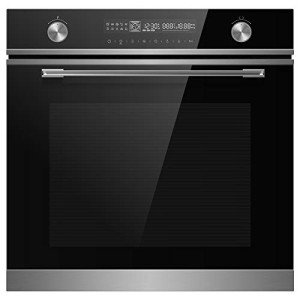
| Built-in Ovens | Integrated ovens set up into cabinets | Space-saving, smooth design, different sizes | Installation intricacy, cost |
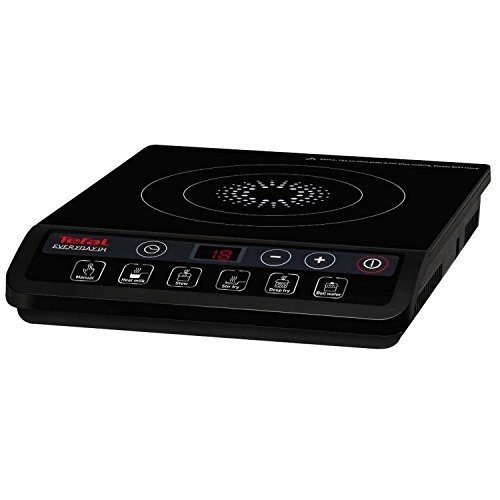
| Induction Hobs | Cooktops that utilize electro-magnetic energy to cook | Quick heating, easy to clean | Needs suitable pots and pans |
| Gas Hobs | Cooktops utilizing gas for heat | Accurate temperature control | Requires gas line setup |
| Mix Ovens | Ovens that integrate standard and microwave functions | Versatile cooking alternatives | May be more costly |
| Steam Ovens | Use steam convection to prepare food | Retains moisture and flavor | Restricted cooking capability |
Benefits of Inbuilt Cookers
Inbuilt cookers use a myriad of advantages that make them popular choices for contemporary kitchen areas. These include:
Space Efficiency: Inbuilt Oven; Sundaynews.Info, cookers are designed to fit comfortably into cabinetry, making efficient use of kitchen area and permitting a more streamlined appearance.
Boosted Aesthetics: Their smooth combination adds to a sleek and contemporary kitchen style, eliminating mess from countertops.
Enhanced Functionality: Many inbuilt cookers come with advanced functions like clever technology, which permits users to manage cooking settings by means of mobile phone apps.
Range of Options: Consumers can pick from a variety of styles and fuel types, including electric, gas, and even solar choices, providing flexibility to fulfill individual cooking choices.
Increased Safety: built-in oven units often include safety features such as automobile shut-off, making them safer than standard cookers.
Factors to consider When Choosing an Inbuilt Cooker
While the benefits of inbuilt cookers are clear, prospective buyers must think about several elements before buying:
Space and Measurements: Ensure your kitchen has enough area for the inbuilt cooker and consider the dimensions of the system relative to your cabinets.
Fuel Type: Decide between electric, gas, or other combustion types based upon your cooking requirements and kitchen setup.
Cooking Preferences: Assess the kinds of dishes you frequently prepare and choose a cooker that offers the functions and functions you require.
Budget: Inbuilt cookers can differ considerably in price. It's necessary to set a budget plan that considers both the purchase cost and prospective installation expenses.
Installation Requirements: Some inbuilt cookers might require expert setup, particularly gas designs. Be sure to factor this into your general job expenses.
Maintenance Tips
To make sure the durability and performance of an inbuilt ovens cooker, regular maintenance is necessary. Here are some key suggestions:
Regular Cleaning: Clean the surface areas and interiors according to the manufacturer's instructions. Avoid abrasive cleaners that might scratch or harm finishes.
Check Seals and Gaskets: Periodically inspect door seals and gaskets for wear and tear, as this affects cooking performance and energy intake.
Adjust Temperature Settings: Test the temperature level settings occasionally to guarantee precise cooking performance.
Expert Servicing: Schedule routine professional inspections, specifically for gas designs to guarantee safety and proper performance.
Often Asked Questions
1. Are inbuilt cookers more costly than standalone designs?
Inbuilt cookers can be more costly due to their sophisticated features and built in ovens for sale-in style, however they also offer enhanced looks and performance, which might validate the financial investment.
2. Can I set up an inbuilt cooker myself?
While some designs have user-friendly plug-in alternatives, expert installation is normally recommended, especially for built-in gas cookers that need proper ventilation and safety checks.
3. What are the benefits of induction hobs compared to gas hobs?
Induction hobs warm up quicker, are typically much safer because they do not produce an open flame, and are much easier to clean up due to the flat surface. However, they require compatible pots and pans and might have greater upfront costs.
4. How can I enhance the efficiency of my inbuilt cooker?
Make use of the proper cooking settings for various types of food, keep the interior and outside tidy, and ensure correct sealing and insulation to enhance performance and decrease energy usage.
5. What features should I search for in an inbuilt oven?
Consider features such as self-cleaning functions, programmable settings, temperature level probes, and smart technology capabilities for boosted convenience.
Inbuilt cookers represent a fusion of functionality and style that empowers home cooks to explore their cooking passions with ease and efficiency. As they are available in numerous types to match varied cooking styles and kitchen styles, understanding their advantages and factors to consider permits consumers to make educated options about this essential kitchen appliance. With appropriate installation and maintenance, an inbuilt cooker can end up being an important property in any contemporary kitchen, making cooking a satisfying and hassle-free experience.