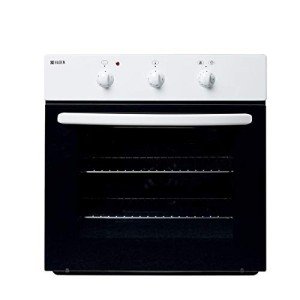
The Modern Kitchen: A Guide to Built-In Ovens and Hobs
In today's hectic world, where cooking has become a creative outlet and a vital part of every day life, having the ideal kitchen appliances is vital. Amongst these, built-in ovens and hobs stick out as favorites in modern kitchens. This short article aims to check out these appliances in depth, discussing their benefits, types, installation alternatives, and important ideas for choosing the best models for your kitchen.
Comprehending Built-In Ovens and Hobs
What are Built-In Ovens?
A built in oven and hob-in oven is a device that is designed to fit perfectly into cabinetry, offering a clean aesthetic in the kitchen. They differ from freestanding ovens and are understood for their flexibility, available in different sizes and functionalities. Built-in ovens can be electric, gas, and even steam ovens, making them ideal for various cooking designs.
What are Hobs?
Hobs, also referred to as cooktops, are the flat cooking surface areas typically located on the counter top. Like ovens, hobs are available in numerous kinds, including gas, electric, induction, and even integrated kitchen styles. Their compact nature permits flexibility in kitchen designs and designs.
Table 1: Comparison of Built-In Ovens and Hobs
| Feature | Built-In Oven | Hob |
|---|---|---|
| Setup Type | integrated electric oven and hob into kitchen cabinets | Set up on countertop |
| Cooking Methods | Baking, roasting, steaming | Boiling, frying, sautéing |
| Types | Single, double, mix | Gas, electric, induction |
| Visual appeals | Modern, smooth designs | Numerous finishes readily available |
| Control | Digital programming, handbook | Knob or touch control |
| Expense Range | Mid to high-range | Wide, depending on type |
Advantages of Built-In Ovens and Hobs
Aesthetic Appeal
Built-in ovens and hobs contribute substantially to a streamlined appearance in modern kitchen areas. Their combination into cabinetry permits a clean and professional surface that matches any kitchen style.
Space-Saving Design
One of the critical benefits of built-in ovens and hobs is their space-saving design. As they are fitted directly into cabinets, they free up important counter area, making the kitchen ovens built in feel bigger and more organized.
Adaptability in Cooking Methods
Built-in ovens featured numerous cooking functions, such as convection, grilling, and self-cleaning choices. Similarly, hobs offer varied cooking approaches, consisting of fast boiling with induction innovation or the conventional flame of gas hobs. This adaptability permits home cooks to explore a vast array of cooking methods.
Boosted Safety Features
Numerous modern-day built-in hobs and ovens featured innovative security functions, such as automated shut-off, cool-touch doors, and kid locks. These functions improve safety, particularly in families with children.
Choosing the Right Built-In Oven and Hob
Choosing the ideal built-in oven and hob for your kitchen involves numerous considerations:
Factors to Consider
- Kitchen Layout: Understand Oven technology the flow and style of your area to choose appliances that fit your style.
- Cooking Habits: Are you a casual cook, or do you prepare complicated meals? Comprehending your cooking requirements will assist your choice.
- Budget plan: Building a spending plan will help narrow down your options without spending beyond your means.
- Utilities Available: Check if you have access to gas lines for a gas hob or if you prefer electric options.
- Energy Efficiency: Look for energy-efficient models that can conserve on electrical energy or gas costs gradually.
Types of Built-In Ovens and Hobs
Built-In Ovens
- Single Ovens: Ideal for smaller cooking areas or casual cooks.
- Double Ovens: Great for those who typically amuse or prepare several dishes all at once.
- Mix Ovens: Feature both traditional and microwave performances.
Hobs
- Gas Hobs: Perfect for those who prefer the control of open flames.
- Electric Hobs: Common and easy to utilize, but might take longer to warm up.
- Induction Hobs: Quick heating and energy-efficient, but need compatible cookware.
Frequently asked question Section
Q1: Are built-in ovens more expensive than freestanding ovens?A1: Generally, built-in ovens are more costly due to their design and setup requirements. However, the cost can vary based upon features and brands. Q2: Can I set up a built-in oven myself?A2: While DIY setup is possible, it is recommended to hire an expert for gas and electrical connections to make sure safety and compliance with local codes. Q3: What upkeep do built-in ovens and hobs require?A3: Regular cleaning is important. Hobs might need periodicdescaling, and ovens can take advantage of self-cleaning functions if If you value precise temperature level control, gas might be the Try to find those with high scores to save on utility bills. In summary, built-in ovens and hobs are important elements of an elegant and functional modern kitchen. Their range, security functions, and visual appeal make them an attractive option for house owners and aiming chefs alike. By thoroughly considering your cooking practices, kitchen design, and style choices, you can select the right built-in appliances that boost your cooking experience and change your kitchen into a cooking sanctuary. The financial investment in these appliances not only adds worth to your home however also raises your cooking to brand-new heights.
offered. Q4: How do I select in between gas and electric hobs?A4: Consider your cooking preferences, available utility connections, and security functions.
ideal choice. For fast heating, electric or induction might be better. Q5: What are the energy efficiency ratings of built-in ovens and hobs?A5: Most contemporary built-in ovens and hobs come with energy ratings, similar to other appliances.