The ÖSD Certificate: An In-Depth Guide
In an increasingly globalized world, efficiency in the German language is a valuable asset. The ÖSD (Österreichisches Sprachdiplom Deutsch) Certificate sticks out as a prominent credentials that examines and licenses German language proficiency. Developed to fulfill the European Framework of Reference for Languages (CEFR) requirements, the ÖSD Certificate is recognized globally, making it an essential credential for academics, professionals, and language lovers alike. This comprehensive guide dives into the subtleties of the ÖSD Certificate, its significance, structure, preparation, and frequently asked concerns.
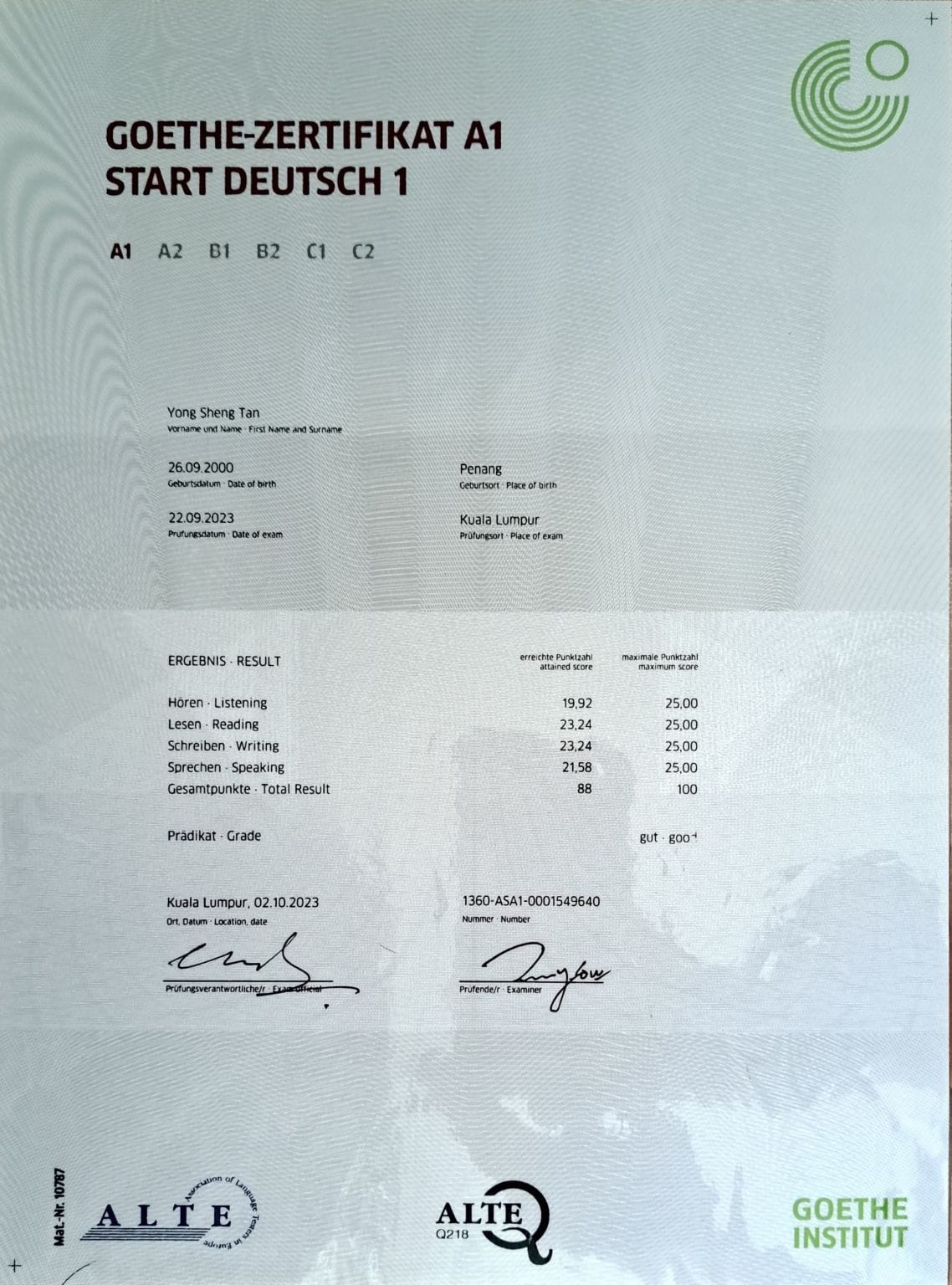
What is the ÖSD Certificate?
The ÖSD Certificate is a main language diploma released by the Austrian Ministry of Education. Targeted at non-native speakers, it assesses their skills in German across various levels, permitting individuals to show their capability to communicate effectively in German-speaking environments. The ÖSD Certificate spans six proficiency levels, aligned with the CEFR structure:
| CEFR Level | ÖSD Certificate | Target Users |
|---|---|---|
| A1 | ÖSD Zertifikat A1 | Beginners |
| A2 | ÖSD Zertifikat, please click the following internet page, A2 | Primary students |
| B1 | ÖSD Zertifikat B1 | Intermediate students |
| B2 | ÖSD Zertifikat B2 | Upper-intermediate learners |
| C1 | ÖSD Zertifikat C1 | Advanced learners |
| C2 | ÖSD Zertifikat C2 | Skilled users, near-native fluency |
Why Choose the ÖSD Certificate?
Choosing to pursue the ÖSD Certificate features numerous benefits:
Recognition: The certificate is extensively recognized by academic organizations, companies, and governmental bodies in German-speaking nations.
Educational Opportunities: A satisfactory ÖSD result can improve applications for universities and colleges in Germany, Austria, and Switzerland.
Profession Advancement: Many employers need evidence of German language skills, making the ÖSD Certificate an effective asset in the task market.
Individual Growth: Beyond expert factors, getting the certificate is a terrific way to measure personal progress in language knowing.
Cultural Integration: The certification procedure often deepens the learner's understanding of German culture, boosting their total experience in the language.
Structure of the ÖSD Examination
The ÖSD examination tests 4 important language skills: listening, reading, composing, and speaking. Let's break down the structure of an ÖSD exam level by level:
Exam Breakdown
| Ability | Format | Duration |
|---|---|---|
| Listening | Audio comprehension (numerous option, gap-fill) | 30-40 minutes |
| Checking out | Text analysis (single/multi-part texts) | 60-70 minutes |
| Composing | Written jobs (essay, letter, report) | 60-90 minutes |
| Speaking | Oral exam (private presentation and interaction) | 15-20 minutes |
Level-Specific Details
Each level has special requirements and expectations:
- A1: Basic phrases and easy expressions; understanding of acquainted age-relevant topics.
- A2: Familiarity with simple sentences; capability to talk about routine tasks.
- B1: Understanding of the primary ideas of clear texts; ability to produce basic connected texts.
- B2: Ability to understand the main points of intricate texts, both on concrete and abstract subjects.
- C1: Proficient use of language in academic and expert contexts; understanding of demanding texts.
- C2: Near-native fluency in essentially all scenarios; ability to produce clear, well-structured language.
Preparing for the ÖSD Examination
Preparation is vital to succeeding in the ÖSD assessment. Below are practical actions to assist attain this goal:
Steps for Effective Preparation
Acquaint Yourself with the Format: Understand how the exam is structured by reviewing sample tests and exam formats.
Enhance Your Language Skills: Focus on enhancing all 4 language abilities. Engage in German conversations, enjoy German media, and check out German books.
Enlist in Preparation Courses: Look for language schools providing ÖSD preparation courses, which are created to help you get the skills necessary to excel.
Use Study Materials: Invest in textbooks, online resources, and apps dedicated to the ÖSD exam preparation.
Practice with Mock Exams: Doing mock tests can help reduce exam stress and anxiety and acquaint you with the timing and pressure of the real exam.
Sign Up With a Study Group: Collaborating with peers can increase inspiration and provide more structured research study sessions.
Seek Feedback: Engage with teachers or native speakers who can offer constructive feedback on your speaking and writing.
Regularly Asked Questions (FAQ)
1. For how long is the ÖSD Certificate valid?
The ÖSD Certificate does not have an expiration date. Nevertheless, efficiency might decrease gradually without practice, so it is recommended to keep using the language.
2. Where can I take the ÖSD evaluation?
ÖSD assessments are offered in various places worldwide. You can find a testing center through the official ÖSD website or associated language schools.
3. Just how much does it cost to take the ÖSD exam?
The fees for the exam vary depending on the screening center and location. Typically, they range from EUR100 to EUR200 for each level.
4. Can I retake the exam if I stop working?
Yes, candidates can retake any area of the exam they did not pass. It's suggested to make use of feedback to improve before re-taking the exam.
5. Is the ÖSD Certificate recognized outside of Austria?
Yes, the ÖSD Certificate is commonly recognized in Germany, Switzerland, and other countries as evidence of German language proficiency.
In summary, the ÖSD Certificate acts as a valuable credential for anyone aiming to prove their German language efficiency. Its structured approach, recognized outcomes, and alignment with the CEFR standards make it a credible choice for trainees, experts, and cultural lovers alike. By comprehending the exam structure and adequately preparing, prospects can effectively attain their language objectives, unlocking to new academic and professional opportunities.